
FVTV original artist interview ·
Weirdo Gang Calls It a Vibe. #Gangrelated Shows Why Three Solo Artists Learned to Disagree.
Fliparachee, Ayara Senoj and TK the Grate tell FVTV how their solo styles became Weirdo Gang, why they rerecorded songs until everyone was satisfied, and what their Indianapolis roots mean to the music.
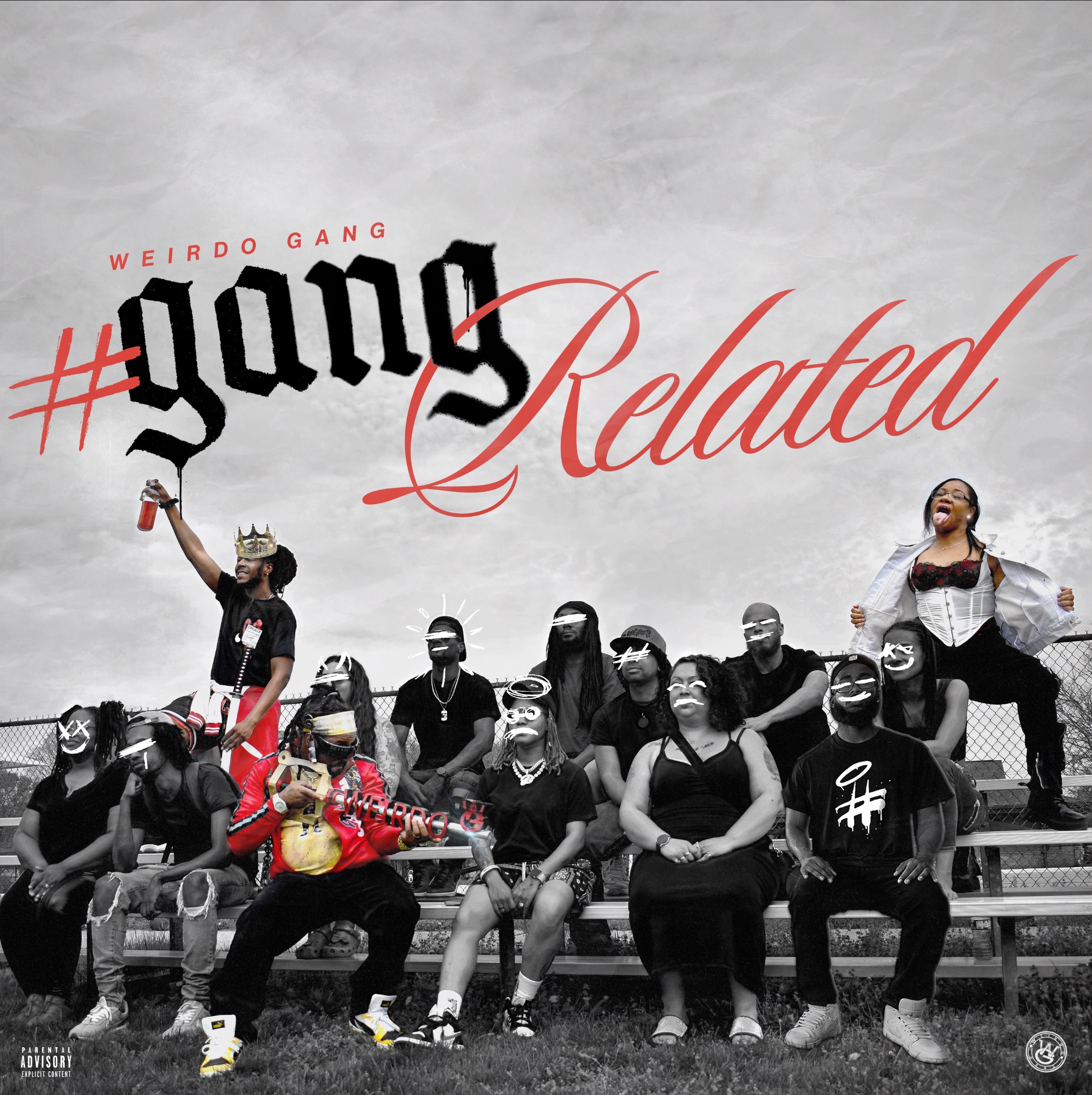
By the time their FVTV interview gets going, Weirdo Gang have already been arguing with each other, correcting each other and laughing. Fliparachee, Ayara Senoj and TK the Grate don't try to present three solo musicians as one perfectly agreeable personality. The disagreements are part of how they make records together.
Their debut album #Gangrelated arrived in August 2025, bringing different styles of rap, performance and storytelling under one name. In the original FVTV conversation, they explain why those styles work together, how difficult it can be to finish a record that satisfies all three of them and why their creative identity is bigger than the word 'group.'
The Indianapolis connection runs through the album and the interview, but the strongest part of their story is a working relationship: nobody has to erase their own style to be part of it.
Three solo voices found a reason to collaborate
The FVTV host introduces Fliparachee, Ayara Senoj and TK the Grate as three artists with different musical identities. Asked what brought them together, they describe realizing that styles which seemed far apart actually worked when placed on the same record. They had known one another as independent performers, and the response to their shared music made collaboration an easy decision.
That chemistry is also documented in their earlier artist announcement. What began around Weirdo Gang's clothing and creative network became a music collective. Its first album, #Gangrelated, was released on August 25, 2025, and features songs including Fan Girl, We Outside, Lunch Room and the title track.
Their interview is candid about the humor and friction that followed. Someone proposes an idea, another artist pushes back, and the argument sometimes becomes the reason the group eventually records the song. They refuse to pretend that every decision began as unanimous.
The heart, the mind and the soul
Part of the group's artistic language is the idea that different members reach listeners in different ways. They describe Fliparachee as bringing the emotional heart of the sound, TK the Grate as approaching the music with another set of perspectives and Ayara Senoj as bringing a soulful vocal impact.
These are descriptions the artists give each other, not a rigid division of who is allowed to sing or rap. In the conversation they repeatedly emphasize that everyone contributes more than one skill and that each member's individual personality matters.
The discussion also reaches toward what music can do with difficult experiences. The trio talks about entertaining people while making room for subjects involving the mind, emotional healing and human relationships. Their idea of a cohesive record does not require every song to tell the same story.
They don't agree on the word group
At one point the host asks whether being part of Weirdo Gang makes an independent artist hold back ideas that would fit on a solo release. The answer is no. A member explains that even if the song's overall style is unfamiliar, each performer can still approach it with a voice that belongs entirely to them.
Then the terminology becomes a running joke. One artist corrects the host for calling Weirdo Gang a group, insisting that the collaboration is a vibe. The others laugh, and the point lands: this is a collective built out of individual careers, rather than an attempt to replace them.
That perspective explains why they are willing to debate creative decisions so thoroughly. Agreement may take time, but the end product is supposed to be something all three can defend.
Why an album track might need four recordings
Some songs on #Gangrelated, the trio says, had to be recorded three or four times. During the FVTV interview, the artists remember disagreements about how a performance sounded and whether the recording was ready. They acknowledge that rerecording was frustrating, especially for someone used to finishing a solo song and moving on.
The process gradually changed how they listened. If one member was dissatisfied, the others had to consider the reason instead of simply accepting the first version. They remember staying with the same engineer and studio while recording fresh takes until the track worked for everyone.
Lunch Room provides one example of a song whose final sound surprised its own creators. In the interview, they credit an original beatboxing performance by Tony Sticks that was recorded and layered at Jupe Studios. They describe the percussion as an authentic human performance, not a sample they simply pulled from a beat library.
Indianapolis, Chreece and building a live audience
The August 2026 interview was recorded ahead of the collective's planned appearance at Chreece, a hip-hop event with a meaningful place in the Indianapolis underground. The artists describe the show as an opportunity for independent performers to receive recognition and demonstrate how much work they have already put in.
They also discuss how the local scene compares with cities whose rap industries attract more national attention. Their view is that Indianapolis musicians have learned to persevere without the same attention or outside investment. They want audiences to look past easy assumptions about what the city does or doesn't produce.
Later they reflect on what years of live shows have taught them. They describe performing on very small stages as well as in front of larger crowds and taking pride in being able to adapt a performance to the room. That confidence was earned through many appearances, not simply by finishing the debut album.
The disagreements are a sign of trust
Weirdo Gang's most revealing moments are not the boldest boasts or a debate about which member has the best verse. They are the moments when someone admits that another member was right about a beat, a recording or a song that needed another take.
That is what their independent model asks of everyone involved. Fliparachee, Ayara Senoj and TK the Grate can keep making their own music while still building something that benefits from more than one perspective. #Gangrelated captures the overlap, and their FVTV interview makes the work underneath it visible.