
FVTV original artist interview ·
Easy Wilson Wants to Retire the Good Guy. “ROUGH” Is Just the Beginning.
The independent New York pop and R&B artist tells FVTV about the personal meaning of his upcoming Execution of a Good Guy EP, the ROUGH Hotline, country influences, hard-won independence and the audience he is building.
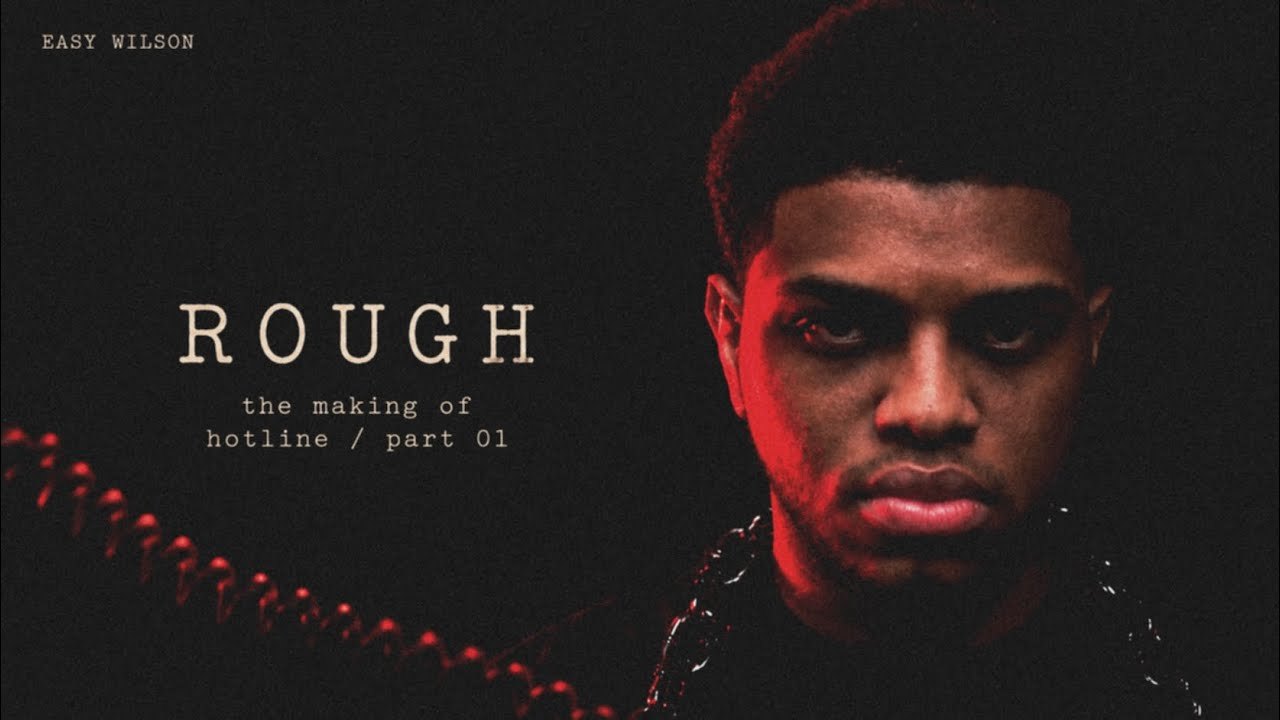
Easy Wilson has been calling himself the good guy for most of his life. Now he is thinking about what happens when that identity starts getting in the way of telling the full story. The independent New York pop and R&B artist says the title of his upcoming project, “Execution of a Good Guy,” grew out of that tension.
In a wide-ranging original FVTV Media interview, Wilson discusses how “ROUGH” became a more provocative single, the unusual fan responses to his ROUGH Hotline and why he refuses to let the expectations of a church upbringing determine every lyric he writes.
He also talks about the music he grew up hearing between New York and the South, his interest in making country records, his experience with the Timbaland Global Search and what it would mean to turn a self-built catalog into a sustainable career.
“Execution of a Good Guy” is a personal turning point
Wilson tells FVTV that the project did not always have its current name. He considered titles including “Grown” and “Hangovers After Heartbreak” before arriving at “Execution of a Good Guy.” The new title felt closer to what he wanted to say about being expected to play the agreeable person in every situation.
The record is still a forthcoming project in the interview, and Wilson deliberately does not give a fixed release date. He wants listeners to follow the music as it develops rather than make a promise he has not confirmed.
His approach to songwriting is rooted in his own experiences. Wilson describes writing, mixing and mastering his tracks while working with producers for the instrumentals. He regards the music as an outlet for material that may be harder to say directly.
New York, Georgia and the surprising country influence
Wilson says he was born in New York, spent formative years in Florida and Georgia, and moved back to New York at eighteen. He identifies Georgia as especially important because so many ordinary milestones of growing up happened there.
The regional mix has widened what he listens to. Although his public work leans toward contemporary pop and R&B, he tells FVTV that he enjoys country music and has been experimenting with an unreleased song called “Southern Food,” inspired by missing home after moving north.
He names established country artists among his favorites and explains that hearing artists cross stylistic boundaries encouraged him to explore a sound he had once treated as separate from his own. He does not present those experiments as an announced country album.
The ROUGH Hotline made the record interactive
Wilson released “ROUGH” in September 2026, following a long creative process. Its darker sound and more sexually direct lyrics generated reactions from friends and family, which he recounts with some embarrassment and humor.
He then created the ROUGH Hotline, a fan voicemail line intended to make listeners feel that they could reach him. Wilson says the response has included supportive and extremely personal messages. The experiment gave the release a direct point of contact beyond social-media comments.
His September interview coverage with LA Note documented the accompanying campaign and visual presentation. The artist's experience on FVTV provides more detail about what he hoped people would do with the hotline and the unexpected reality of running it.
He is more interested in an honest song than a fixed image
Wilson is open about the contrast between how people perceive him and the music he makes. He recounts being raised around church, later questioning some of the expectations he encountered, and wanting room to create secular pop songs without reducing his entire identity to a label.
He also describes growing up through difficult family circumstances. In the conversation, he connects those experiences with why he is comfortable writing about uncertainty and vulnerability. The details are Wilson's own account, and his work should not be reduced to the hardships he has discussed.
When FVTV asks which earlier song deserved a bigger audience, he chooses “Impatient.” He sees the catalog as a record of who he was at different points in his life, even as “ROUGH” brings more attention to the current chapter.
An independent artist treating the career like a business
Wilson tells FVTV that he has ideas for merchandise but does not want to pay for large amounts of inventory before the demand exists. It is a practical position from an artist who is funding and directing his work while trying to reach a bigger audience.
He discusses submitting music to the Timbaland Global Search and hoping eventually to work with a major label. That is a career ambition he expresses, not a confirmed recording deal or future collaboration.
He also talks about a newly teased song called “Backstabber” and the creative process behind quick new ideas. None of those prospective releases is described here as already available or given an invented date.
The advice he gives younger artists
Near the end of the FVTV conversation, Wilson urges younger musicians to keep building their work even when other people do not understand the goal. He says artists need to know their value while accepting that the audience may take time to find.
For Easy Wilson, the next step is not about pretending he has already arrived. It is about making the music, testing ideas, talking directly to listeners and continuing to develop a voice that he can recognize as his own.