FVTV original interview feature ·
The Static Dive Got His Record Deal. He Says He Gained Nothing.
The Static Dive's Bob Smith tells FVTV what his long-awaited record deal actually gave him, why he started House of Static Records and how his ambitions changed.
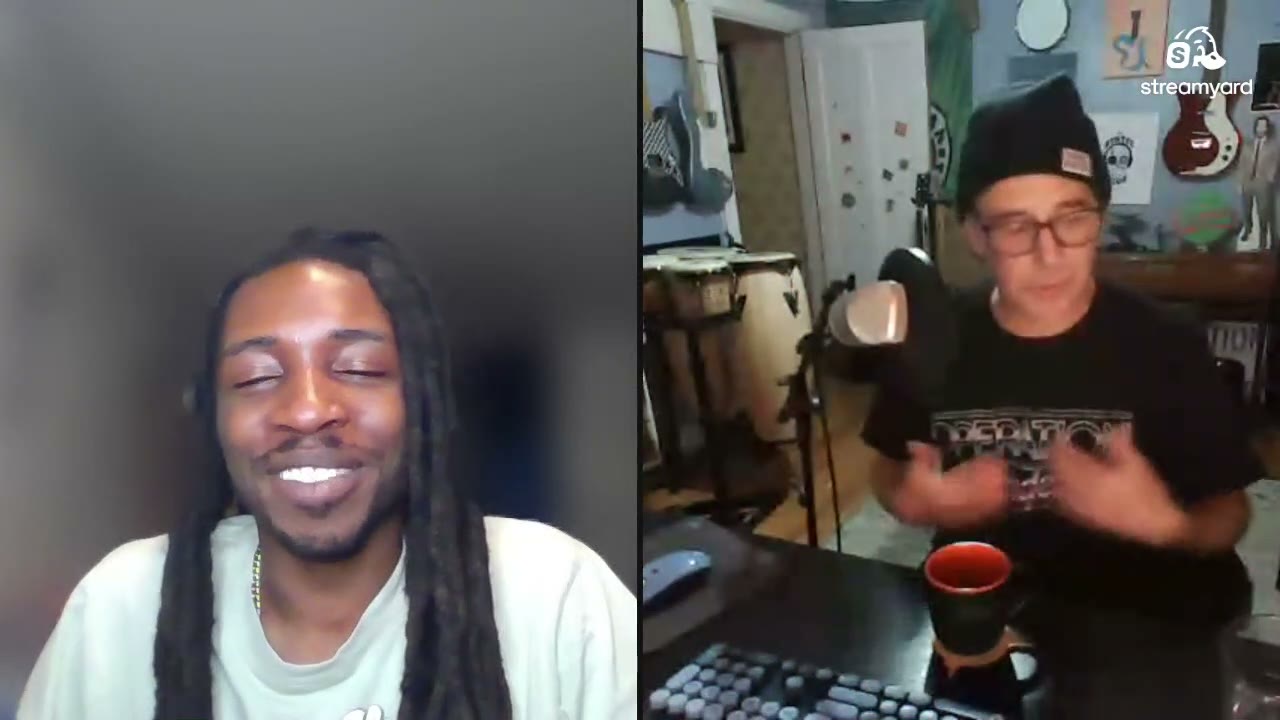
Bob Smith spent years wanting a record deal. When he finally signed one as The Static Dive, he says the experience gave him a reason to question what he had been chasing.
Speaking with Keylo Nsane for FVTV, Smith described spending roughly a year with a small German label. In his account, the agreement left another party owning part of the music he released during that period without delivering much benefit in return.
“Somebody else owned my masters,” he said.
The deal he once wanted
Smith was careful about where he placed the criticism. He did not portray the person he worked with as dishonest. Near the end of his explanation, he said the other party was not bad and described realizing that the label was doing things he could already do himself.
“I didn't gain anything from it,” he said.
Building House of Static Records
Smith said he later started his own label, House of Static Records, which he runs with his collaborator Kilo House, also known as SxR LÜCÏFËR. Smith described a working relationship built around recording across two cities.
He plays and records instruments in New York, then sends material to his partner in Los Angeles for mixing and mastering. On other projects, he contributes instruments to his partner's productions.
Their label also reflects a deliberate limit. Smith said they have worked with other artists through individual-song agreements rather than taking on long-term commitments they do not have the money to support. He sees promotion, marketing and distribution as responsibilities that require actual resources behind them.
For Smith, the value of a partner also shows up in smaller decisions. He recalled posting a simple video about an old guitar amplifier and being surprised that people watched. His collaborator encouraged him to keep making that kind of content, even when Smith thought it was too ordinary to interest anyone.
Music on his terms
His “In the Studio” videos now offer a window into the room where he makes music. The format helped produce “Pivot Dub,” which grew from a one-minute recording he made to mark ten years sober. He liked the piece enough to keep developing it, combining his instrumental work with editing and an electronic beat.
The conversation returned repeatedly to the decisions he wants to make for himself. Asked about AI in music, Smith rejected the idea of having a system write a song for him but described using an AI-assisted equalizer in his recording process. He said the tool improved the sound of a bass performance he had already played.
That distinction fits the way he talks about his current ambitions. Smith still promotes his records and wants people to hear them, but he said the goal has changed from becoming a rock star to sustaining the work itself.
“I just want to keep making music.”