Artist profile ·
WHO IS LIL TWIN? THE OUT WEST CHICAGO RAPPER TURNING DAMAGE INTO MOMENTUM.
Lil Twin’s rise is not only about drill momentum. The Out West Chicago rapper makes grief, emotional numbness and survival live beside aggression, without cleaning up the contradictions for a larger audience.
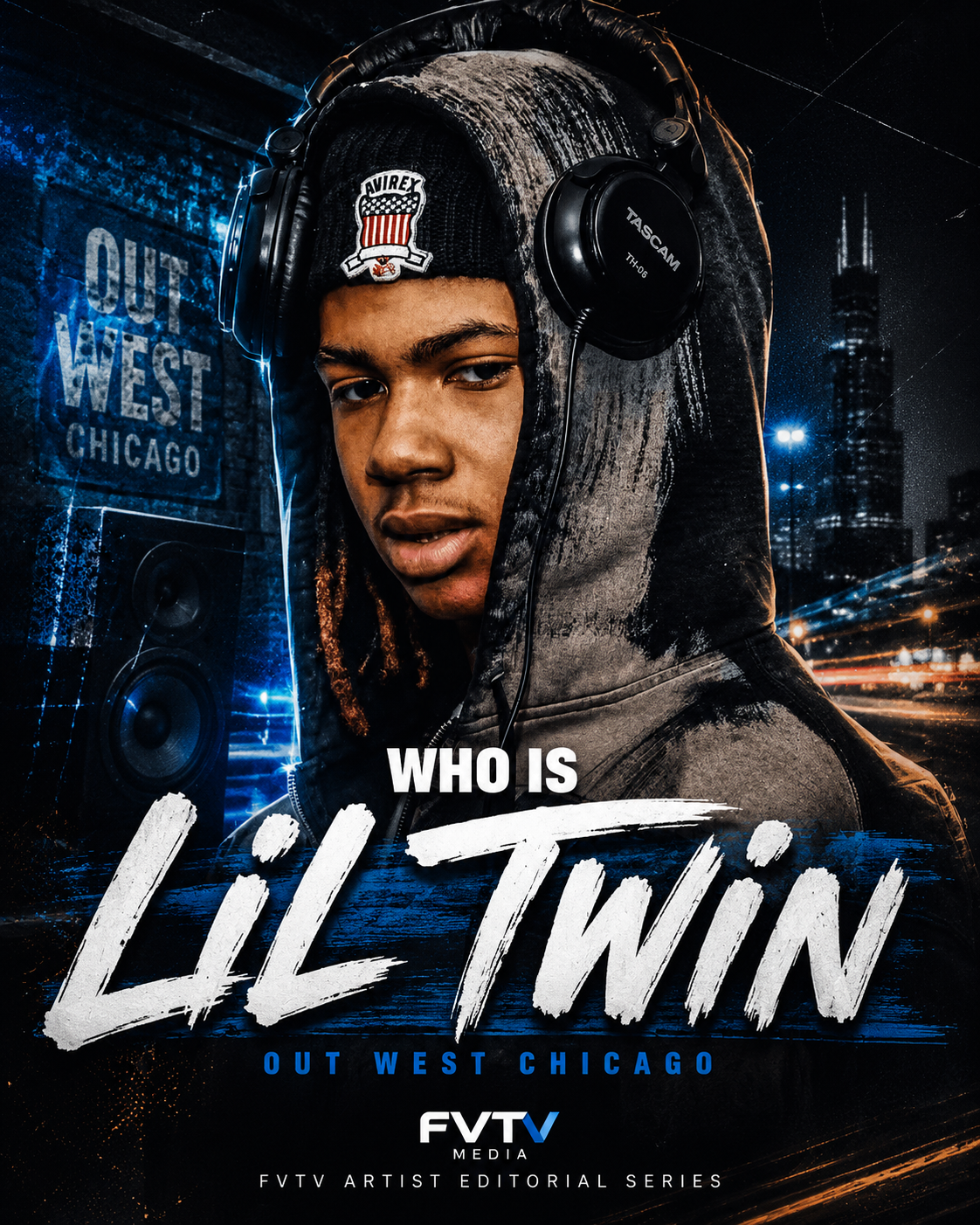
When Lil Twin released “How it Happen” on July 21, the record did more than extend a busy year. It arrived as another piece of a story that has been gathering weight across Actually Damaged, “Run,” “Letter To Jack,” “Alone” and “Aint No Point To Lie.”
The momentum is obvious. What makes it matter is the emotional language underneath it.
Lil Twin’s music can be hard, urgent and confrontational, but toughness is rarely the entire point. Loss stays close to the surface. Anger often sounds like the next stage of grief. Ambition is present, but so is the pressure of trying to move forward without pretending the damage disappeared.
That tension has made him one of the clearest young voices emerging from Out West Chicago.
Out West is more than a location
Chicago rap is often discussed as though the city has one sound and one history. It does not.
Lil Twin’s identity is tied to the West Side, where neighborhood lines, family histories and local music networks shape how an artist is heard before the rest of the city pays attention. His records carry the speed and danger associated with contemporary Chicago street rap, but they also make room for melody, memory and emotional exposure.
That difference matters. Lil Twin does not sound interested in separating the person surviving the environment from the person affected by it. Both appear in the music at once.
On one record, he can sound ready for whatever comes next. On another, the confidence gives way to isolation, substance use, grief or the exhaustion of carrying too much too early. The shifts do not feel like different characters. They feel like different hours of the same life.
The meaning inside Actually Damaged
The title Actually Damaged works because it refuses the softer language people often use around trauma.
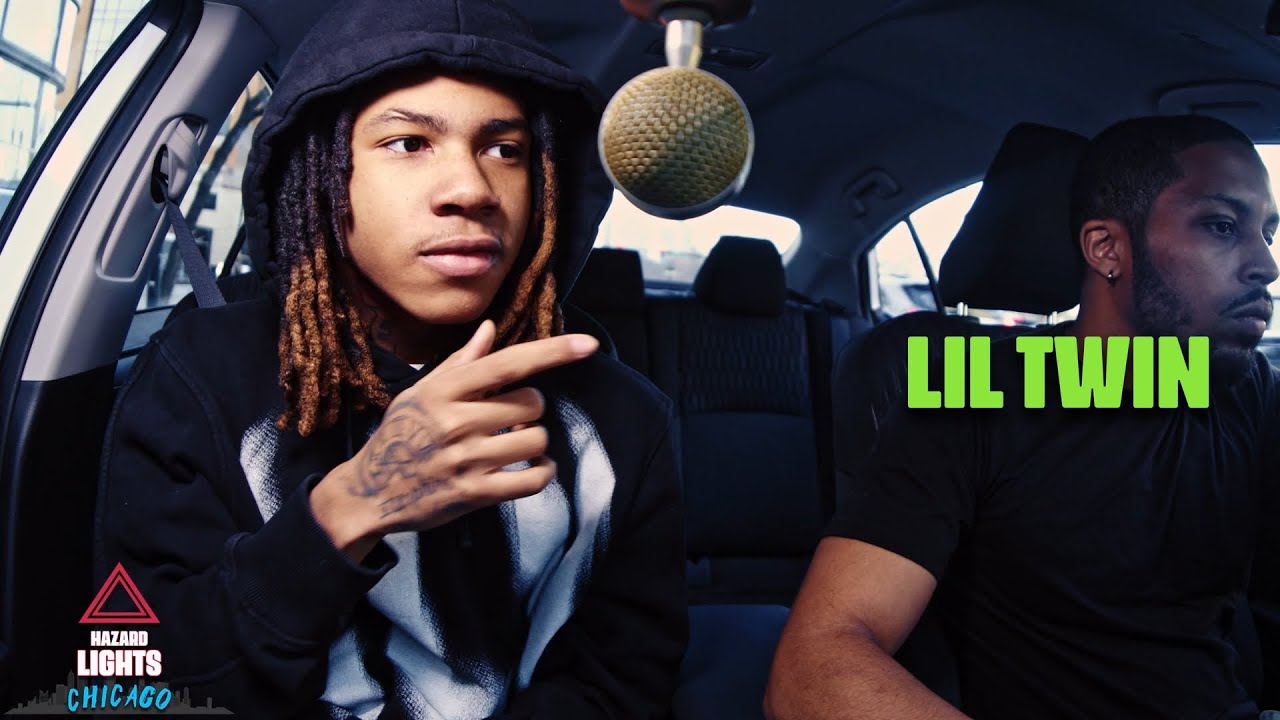
In a 2026 interview, Lil Twin described the idea as going through so much that eventually a person stops feeling it in the same way. That explanation gives the project its center. Damage is not used as decoration or a dramatic marketing phrase. It describes the numbness that can follow repeated loss, danger and instability.
The project moves through that condition without turning it into one long confession. “Run,” featuring VonOff1700, brings the energy and immediacy that helped introduce Lil Twin to a wider audience. “Alone” pulls toward the isolation behind the public momentum. “Focus on Music,” featuring FattMack, points toward the discipline required to turn attention into a career.
Together, the records show why Lil Twin’s emotional honesty does not weaken the street side of his music. It gives it consequence.
A threat sounds different when the listener understands the grief behind it. Success sounds different when it is happening beside unresolved loss. The project’s strongest moments come when those feelings are allowed to collide instead of being organized into a clean redemption story.
“Letter To Jack” gives the catalog its emotional center
“Letter To Jack” remains one of the most important records for understanding Lil Twin.
The song addresses the loss of his brother and the particular weight of losing somebody who was part of everyday life. It is not simply a sad song placed beside harder records to prove range. It helps explain the urgency heard throughout his catalog.
Grief in Lil Twin’s music does not always arrive quietly. Sometimes it becomes anger. Sometimes it becomes detachment. Sometimes it becomes the determination to keep recording while the person he would have shared the progress with is no longer there.
That is why the record connects. Listeners are not only hearing what happened. They are hearing how the absence continues to shape what happens next.
Momentum without emotional cleanup
Lil Twin is listed on 300 Entertainment’s current artist roster, placing his music within a larger label system as his audience expands. The opportunity matters, but the appeal was established before the infrastructure arrived.
The records already had a point of view.
“Hate Being Sober” and “Drugs & Depression” put substance use and emotional strain directly in the foreground. “Run” brings a higher-energy entry point. “Aint No Point To Lie,” released July 9, carries the pace of an artist whose circumstances are changing quickly. Then “How it Happen” followed on July 21, keeping the release run active instead of allowing Actually Damaged to become a single promotional moment.
The title “How it Happen” fits the larger story. Lil Twin’s rise can look sudden from outside Chicago, but the music documents the conditions, losses and choices that came before broader attention.
The new record does not close that story. It confirms that he is still writing from inside it.
Why Lil Twin matters now
The easiest way to market a young Chicago rapper is to reduce him to danger. The second easiest is to package his pain as proof that he is secretly more sensitive than the image suggests.
Neither reading is enough for Lil Twin.
His music is effective because the aggression and vulnerability do not cancel each other out. They are connected. The anger has history. The numbness has a cause. The ambition is not abstract; it is tied to the need to create movement where life has repeatedly produced loss.
That makes the current momentum feel earned rather than manufactured. Lil Twin is not asking listeners to forget where he comes from as his platform grows. He is making the cost of that background part of the reason the growth matters.
For first-time listeners, start with “Letter To Jack” for the emotional foundation, “Run” for the breakthrough energy, “Alone” for the isolation inside Actually Damaged, “Aint No Point To Lie” for the post-project momentum and “How it Happen” for where the story stands now.
Lil Twin is still early in his career, but his strongest records already understand something many artists take years to learn: pain becomes more powerful in music when it is not simplified.
The damage is visible. So is the motion.