FVTV original written interview ·
$EASON on MONEY TO BLOW, Columbus and Building Repeat Listeners
Columbus rapper $EASON discusses making MONEY TO BLOW with AndreOnBeat, loyalty, melody, SoundCloud, and why repeat listeners matter more than one viral moment.
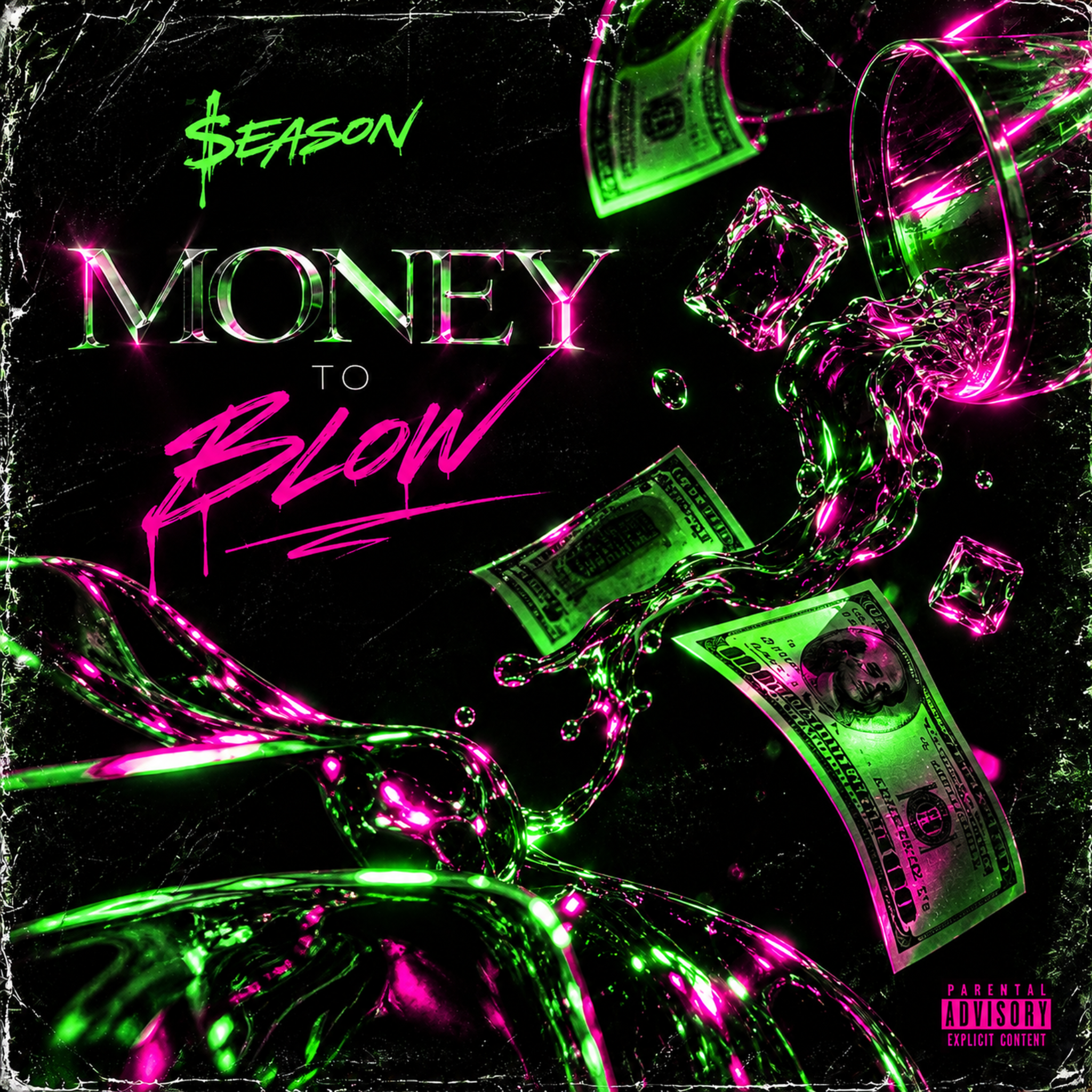
The Columbus, Ohio artist $EASON has been releasing music at his own pace, moving between melodies and sharper rap. His September song “MONEY TO BLOW,” produced by AndreOnBeat, is about what changes when hard work begins paying off and what does not. In this written interview, he discusses loyalty, the sound of Columbus, repeat listeners and where he wants to go next.
“MONEY TO BLOW” sounds like a spending anthem, but the story behind it is really about finally seeing progress. What happened that made that feeling real enough to record?
For me, it's about reaching a point where you can finally enjoy the things you've been working toward. There's a difference between spending money to impress people and spending it because you earned the freedom to. I've always had bigger expectations for myself, so even when things are going well, I'm thinking about what's next. 'MONEY TO BLOW' captures that moment where you can enjoy the progress without forgetting what it took to get there.
Your song remembers who was around before the rewards arrived. Was there a particular experience with loyalty that made you write it that way?
You learn a lot about people when your situation starts changing. Some people genuinely want to see you win, and others only support you when they feel like they're doing better than you. I've learned to pay attention to actions instead of words. I don't have to fall out with somebody to know we don't need to be close anymore. Sometimes you just grow past certain situations, and that's part of life.
What did AndreOnBeat build into this instrumental that made you hear a different version of yourself, and how did the two of you work through the recording?
AndreOnBeat created a sound that gave me room to experiment. The production has that bounce and energy, but there's still enough space to bring melody and different flows into it. When I heard the beat, I already knew the direction I wanted to take. I wanted something that felt effortless, something you could ride around to with the windows down. My approach was finding different pockets without overcomplicating the record. That's something I pay a lot of attention to when I'm recording.
You move from melodic writing to sharper rap pockets and R&B. When you first hear a beat, how do you decide which side of $EASON should lead?
I don't really decide beforehand. The beat tells me what it's missing. Sometimes the melody hits first, sometimes it's a particular cadence or the way the drums are moving. I like switching flows because I don't want somebody to hear the first ten seconds and know exactly what the rest of the song is going to sound like. I can get melodic, I can rap, I can switch into something darker. I don't want to put myself in a box just because one sound works.
Columbus is producing artists while the national rap conversation keeps returning to Atlanta, Chicago and Detroit. What is happening in the Columbus music scene in 2026 that deserves more attention?
Columbus has a lot of different influences, and I think that's something people overlook. We're not tied to one specific sound. You have artists experimenting with melodic rap, R&B, trap, and different styles of hip-hop. There's room for artists to create their own identity instead of feeling like they have to follow a formula. I'd like to see more attention on the talent coming out of Ohio in general. There are artists here with something to say, and I want to be part of bringing more eyes to that.
You first put the record on SoundCloud before making it available on major streaming platforms. What did that early release tell you about the people already listening?
It showed me that people were willing to give the music a chance without already knowing who I was. That's important to me. I wanted the sound to speak before anything else. Watching people discover the record and seeing that early engagement gave me motivation to keep releasing. I'm still early in this process, but seeing listeners connect with something you've created from scratch is a different feeling.
When did music go from something you liked doing to a career you were prepared to invest time and money in? Describe the turning point.
The turning point was realizing I could actually create the sound I had been hearing in my head. Once I started taking the writing, recording, mixing, and overall presentation seriously, it became more than just making songs. I started thinking about the quality of every release, the artwork, the rollout, and how everything connects. I don't look at this like something I'm just trying out. If I'm putting my name on it, I'm going to invest in making it the best it can be.
Who helped you keep going when the results were slower, and what would those people say has changed about you since you started?
The people who have supported me without needing to see numbers first mean the most. Having people who are willing to give you an honest opinion and still believe in what you're building goes a long way. I think they'd say I've become more focused and a lot more intentional. I'm constantly working on something, whether it's writing, recording, improving a mix, or figuring out the next release. I don't really know how to do anything halfway once I decide I'm serious about it.
Streaming numbers, viral clips and real-life audiences can tell different stories. Which signal matters most to you right now, and why?
Right now, it's repeat listeners. Anybody can click on a song once. When somebody comes back to hear it again, or listens to another record because they liked the first one, that means something. Obviously, I pay attention to the numbers because they help me understand what's connecting, but I don't want to build something that only lasts for one viral moment. I want people to recognize the sound and actually look forward to what I drop next.
What should listeners know about the next release or project, and what do you want to accomplish by this time next year?
Expect the unexpected. I'm experimenting with different sounds, different flows, and different ways of approaching records. Some songs are going to be melodic, some are going to be harder, and some might catch people completely off guard. I want every release to show another side of what I can do without losing the identity I'm building. I've released 9 songs on Soundcloud in my first month of releasing all together. Definitely encourage everyone to check it out while the real launch loads." By this time next year, I want a much bigger catalog, a stronger audience across streaming platforms, and more people discovering $EASON organically. I'm not chasing one record. I'm building something I want to be doing for a long time.