FVTV original music feature ·
Poppastep Wants to Know What the Paper Chase Is Really Costing You on “Black Money”
Poppastep’s single weighs what chasing money and power really costs a person.
Money promises freedom. On “Black Money,” Poppastep flips that promise into a question about what people give up chasing it.
Poppastep calls his music funk, hip-hop and soul in one pot. He frames “Black Money” around guitar, rhythm and a message about chasing wealth, and the record makes that chase its subject. Money doesn’t automatically equal success here.
The price of wanting more
The song puts money and power in the same conversation. The writing ties the pursuit of wealth to a hunger for more, with judgment and sense of self stuck in the middle. The cost being counted is moral and financial both: you can get what you want and still lose something along the way.
It's why the title hits deeper than a cash reference. “Black Money” weighs money’s pull and its consequences together, and the desire for more becomes the subject, along with the grip that desire can get on a person’s choices.
A message riding the groove
It plays like a slow funk burner, with the guitar and the groove carrying the message. The tempo sits around 144 BPM, and the arrangement still keeps a measured soul feel.
Poppastep invokes the spirit of Curtis Mayfield, and the song earns the comparison: its warmth makes room for social questions. The sound moves, and the subject makes you check where all that movement is taking you.
The people behind the single
Qobuz lists the four-minute single in its Soul catalog, crediting Poppastep for vocals and production and Herman Hines for writing and composition.
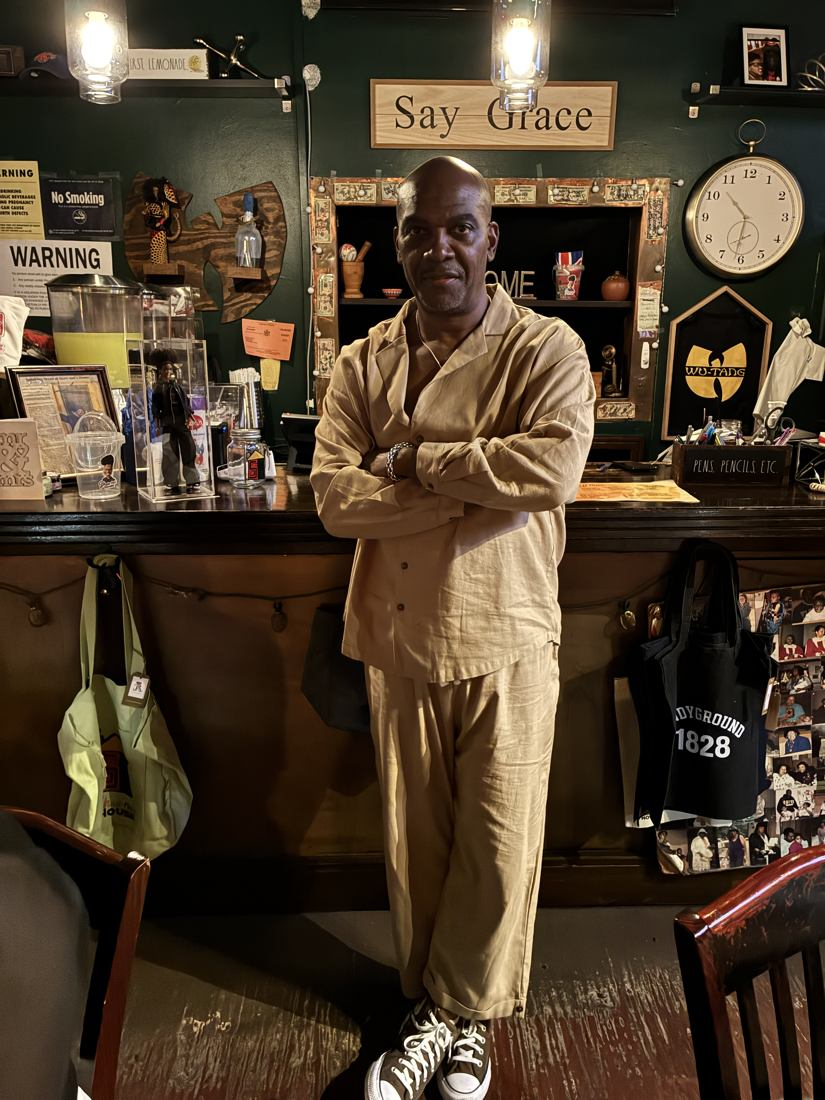
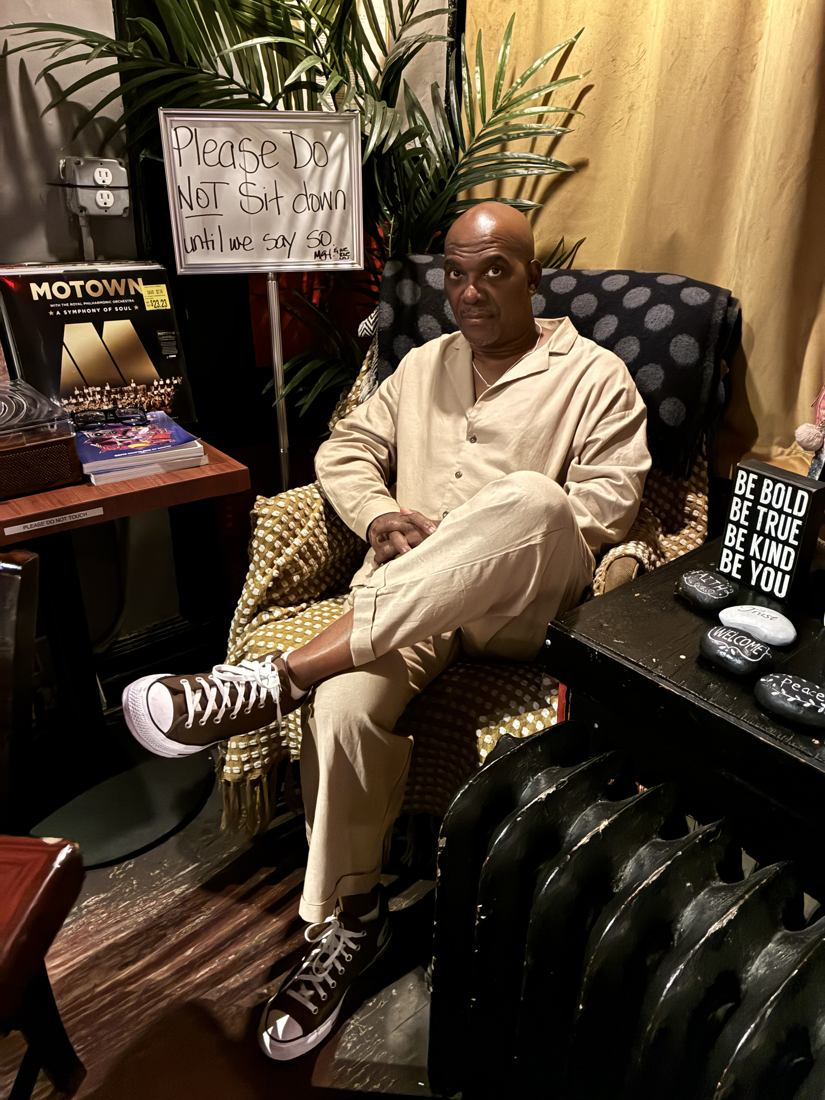
Two artist-supplied portraits show him in a music-filled room, and a separate photo-based promo image from his public Groover profile gives a third look.

What the song leaves you with
“Black Money” never makes the chase for wealth sound simple. It sets desire and consequence side by side and asks what changes when money becomes the thing a person can’t stop chasing.
The question hangs around after the last note, because the real subject is what somebody risks losing while trying to gain more.