Interview editorial ·
KID KASH ON MUSIC, MEDIA AND WHAT ARKANSAS RAP OWES HOME.
The West Memphis-raised artist and Blunt Talks host explains how music became therapy, why independent media gave him a stronger voice and why Arkansas rap should turn attention into access.
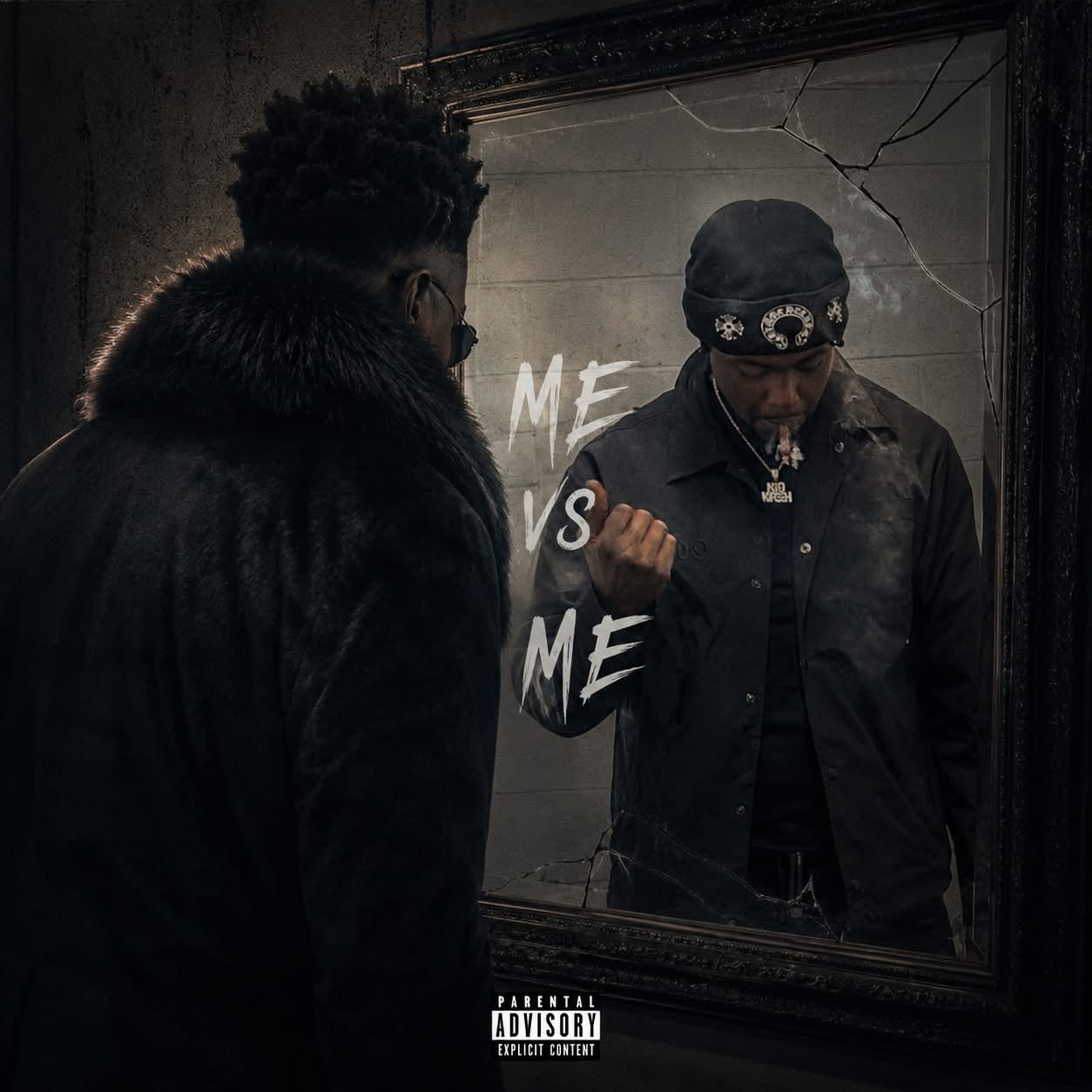
Kid Kash’s argument centers on the standard he wants Arkansas rap to meet, beyond the individual artists he has challenged.
When a rapper builds an identity around a city, uses its language, pain and reputation in the music, then reaches a larger audience, what should come back home?
Kid Kash does not reduce the answer to cash. In his conversation with FVTV Media, he returns to opportunity: information, mentorship, studio access, media coverage and a visible route for younger people who have talent but no connection to the industry.
The question sits at the center of his work as an artist, podcaster and local media voice. His own path has moved from West Memphis to Jonesboro, from recording music to building Blunt Talks, and from wanting to be heard to creating a platform where other people can speak for themselves.
From West Memphis to Jonesboro
Kid Kash comes from West Memphis, Arkansas, but his current work reaches beyond one city.
He has described music as a form of therapy, a place where pressure can be turned into language before it becomes something more destructive. Music shapes his artist identity beyond a simple promotional title. It is part of how he processes experience, but it is not the only place where he wants to make an impact.
His move to Jonesboro placed him in another part of Arkansas with its own artists, audiences and gaps in coverage. Instead of waiting for a larger outlet to decide which local voices mattered, he began building his own.
Blunt Talks became the clearest expression of that decision. The platform gives him room to discuss music, community issues and the behavior surrounding the culture without forcing every thought into a song. He has also been connected to Heat from the Table, another conversation-based platform extending that media work.
The shift matters. Kid Kash is not only asking who gets attention in Arkansas rap. He is trying to participate in how that attention is distributed.

Music opened the door. Podcasting widened the conversation.
A song can communicate emotion quickly, but it does not always leave enough room for explanation.
Podcasting gives Kid Kash a different kind of control. He can ask follow-up questions, challenge a claim, explain what he meant and make space for people who may never receive an invitation from a larger station or national outlet.
Independence is central to his identity. Blunt Talks is not built around pretending to be neutral about everything. Its value comes from the willingness to say what local conversations often circle around privately.
The approach can create friction while exposing the difference between criticism designed for attention and criticism attached to an actual proposal.
In the FVTV interview, Kid Kash’s larger proposal is that Arkansas needs more pathways. He sees artists, podcasters, videographers and local media as parts of the same ecosystem. When those groups remain divided, talented people can be visible inside their own circles without ever gaining the relationships or knowledge required to move further.
Arkansas has talent. The problem is how attention gets assigned.
Kid Kash also addresses the politics surrounding local recognition.
Top 10 lists, co-signs and scene conversations can become popularity contests. Familiar names rise because they already have an audience, while artists without the right relationships struggle to get heard long enough for the music to be judged.
Every overlooked artist will not be exceptional, but the process often measures visibility before quality.
For a developing scene, that cycle is expensive. The same people receive repeated attention, smaller outlets chase the names most likely to generate immediate reactions and the next layer of artists remains disconnected from useful feedback or opportunity.
Kid Kash’s media work pushes against that cycle. He wants Arkansas culture documented by people close enough to understand it, but he also wants that coverage to create movement instead of becoming another closed circle.
More artists deserve a real evaluation, even when the result is criticism instead of praise.
What does an artist owe the place they represent?
This is where Kid Kash’s position becomes more complicated than a simple callout.
Successful rappers are not city governments. They cannot repair every school, fund every studio, stop every act of violence or rescue everyone who asks for help. Public assumptions about an artist’s money are often wrong, and some artists support relatives or community members without announcing it online.
Those limits do not erase Kid Kash’s counterargument: responsibility does not have to mean becoming responsible for an entire city. An artist can share information. A manager can explain how a release was distributed. A producer can give a young artist one serious session. A platform can feature someone without charging them. A successful name can make an introduction, support a youth space or show that another route exists.
The difference between a handout and infrastructure shows up in what lasts.
Money can solve an immediate problem. Access can change what someone believes is possible.
The debate becomes sharper when hometown identity is part of the product. When an artist repeatedly claims a neighborhood, uses its image and receives credibility from surviving its conditions, people will eventually ask whether that relationship works in both directions.
There is no single amount of money or number of community appearances that settles the question. The standard is better understood through evidence: What doors were opened? What information was shared? What younger talent was taken seriously? What exists now that did not exist before?
Kid Kash is building his answer through media
Kid Kash is still developing his own reach. He is not speaking from the position of someone who has already built a major institution and completed the work he expects from others.
The interview gains value from hearing him test the argument while he is still building.
He is testing his argument in public while building Blunt Talks, recording music and trying to connect Arkansas voices that are often separated by city, platform or personal politics. His credibility will ultimately depend on whether his platforms create the kind of access he asks established artists to provide.
The same evidence-based standard should apply to everyone involved.
The value of his FVTV conversation is that it moves the issue beyond individual names. It asks what a regional rap scene needs after the music starts receiving attention. More cameras are useful. More songs are necessary. But a sustainable scene also needs archives, interview platforms, business knowledge, honest criticism and people willing to connect talent with resources.
Arkansas rap does not only need artists who can escape the local ceiling. It needs people building a higher ceiling behind them.
The larger question
Kid Kash is asking Arkansas rap to measure success by more than who becomes visible first.
Attention matters. Streams matter. National recognition matters. But a scene becomes stronger when somebody converts those wins into information, access and institutions that remain after the moment passes.
The expectation applies to artists, media outlets and Kid Kash himself.
Success can leave more than an image behind without requiring every artist who makes it to save an entire city.
Watch the full FVTV Media interview
KID KASH ON MUSIC, PODCASTING & REPRESENTING ARKANSAS.
Kid Kash discusses his journey from West Memphis to Jonesboro, using music as therapy, developing his voice through podcasting, building Blunt Talks, representing Arkansas culture and the changes he believes the local scene needs.
Open the interview on YouTube ↗