FVTV original video interview ·
Kevin Anglade Taught Himself Beats for the Kids in Juvenile Detention. Now He’s Building a World of His Own.
Sitting down with FVTV, the South Jamaica Queens artist runs through a detention-center mixtape, the money in violent rap and why he plans to stay independent.
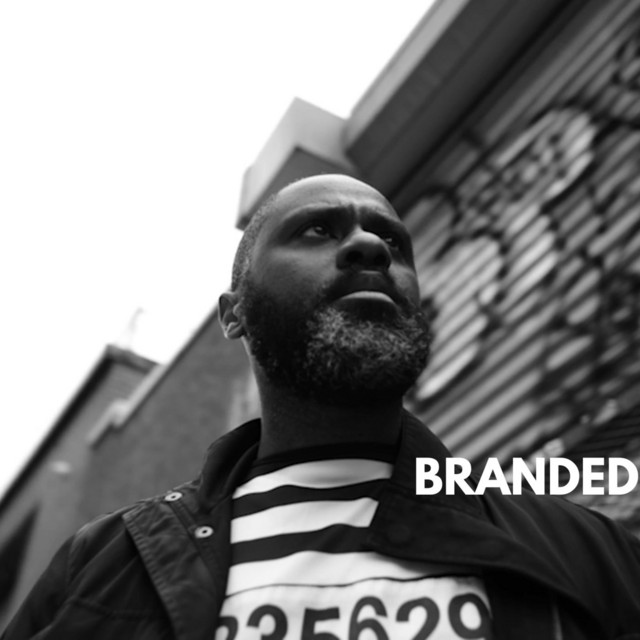
When Kevin Anglade floated the idea of a mixtape to the young people at the juvenile detention facility where he worked, he didn’t know how to make a beat. That challenge became his introduction to production. The songs he makes now grew out of something more immediate than chasing a deal: creative workshops with teenagers who had their own stories to tell.
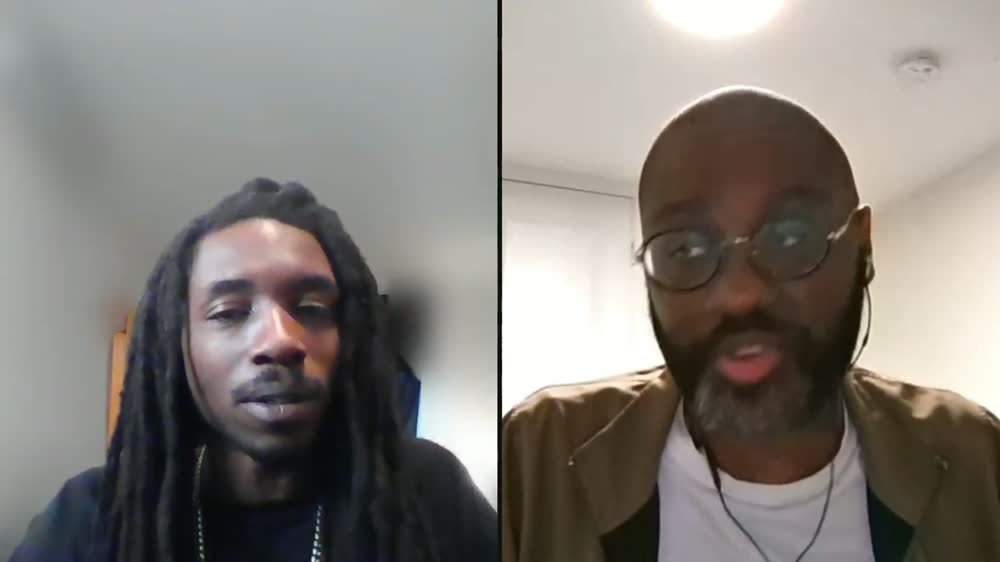
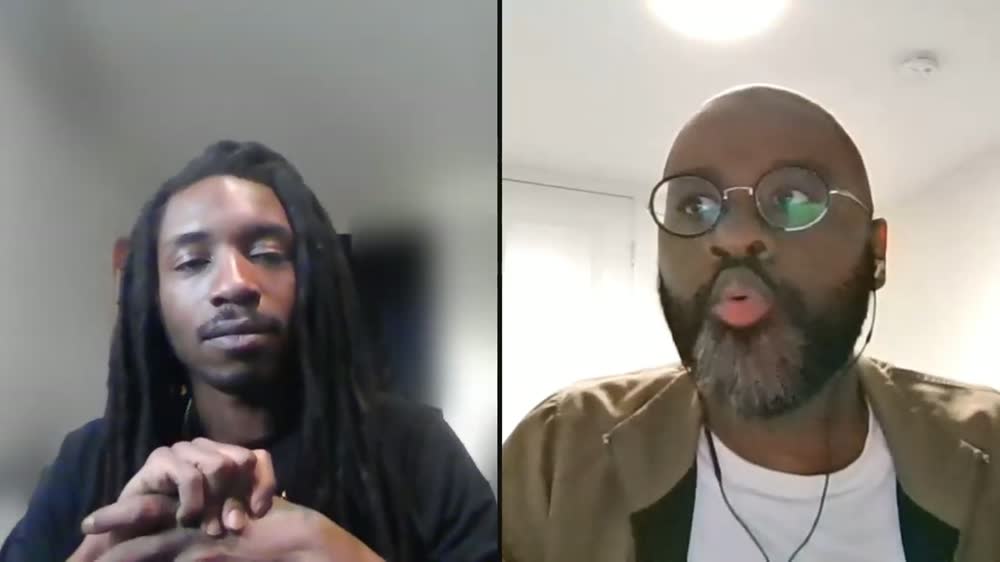
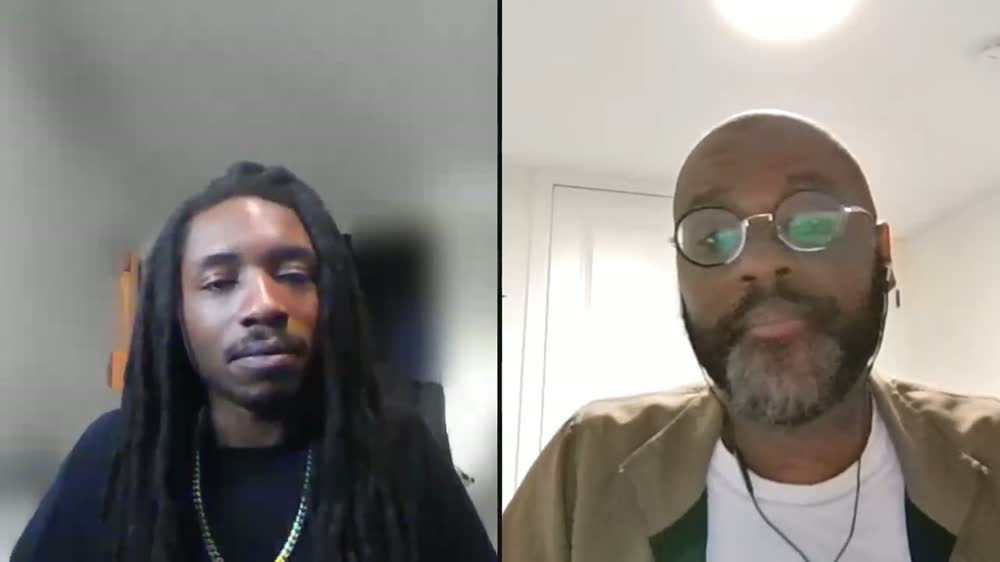
In an October 11, 2026 conversation with FVTV’s Keylo Nsane, the South Jamaica Queens artist, songwriter and producer talked through that origin, how drill music changed his approach, the uneasy economics of rappers narrating violence and the independent vision behind “BRANDED” and his album The Black Box.
Anglade described his role at the facility as a rehabilitation therapist or art specialist, running poetry and performance workshops. He was there on the clock working with the kids, and he wasn’t describing time served.
A mixtape in juvie changed his whole career
Anglade said his music education started at home, where his older sister put him on to records that shaped his ear. He went on to spend years doing slam poetry in New York City, college included. While working at a juvenile detention center for boys, he helped young people write, perform and develop poetry and audio projects.
Around summer 2020, he remembers joking that they should make a mixtape together. When the idea got real, he had to figure out beatmaking for himself, and by his own account those first instrumentals were bad. He spent the next few years studying production and mixing, leaning on the writing chops he already had from poetry.
He remembers the teenagers pushing him toward trap and drill, far outside his preferred lane. He took the music as a way into their experiences, and he recalls encouraging them to believe they could make art and build lives beyond the environments that had boxed in their options.
The hard question about getting paid off violent rap
Working with teenagers who described what they had seen and survived shaped how Anglade hears street rap. He told FVTV he couldn’t fairly judge young artists for writing about their actual lives. The dilemma, he argued, starts when those stories turn into a product and an artist keeps selling the same violent identity after their circumstances have changed.
Anglade defended drill artists’ right to tell uncomfortable stories and questioned what happens when the industry rewards violence as an image. He tied that concern to how lyrics can get picked apart in criminal proceedings.
That tension runs through his own catalog. He said he has written harder-edged material meant to be recognizable to the young people he taught, while trying to push listeners past the retelling and into reflection.
For Anglade, a rap album can play like a documentary
Anglade described The Black Box as a project built around the boundaries society puts on Black men. He talked about making his own beats, recording himself and pulling spoken-word samples from public figures to widen a song’s setting. He hears those voices as characters, part of the world the verses live in.
His background in English, theater and poetry explains a lot about the structure. Songs become scenes, and guests and sampled speakers help fill out the story. He pointed to “BRANDED” as part of that approach and described the larger album as a way to connect personal experience with systems of power.
Controlling that story is the heart of his independence. Anglade said he can’t picture signing to a major label because he already knows the artistic direction he wants. He still moves with a team, though. He spoke warmly about collaborators, including friends who contribute vocals and ad-libs, and described his job as making sure their contributions fit the bigger vision.
Tupac’s unfinished future, and what comes next
One of the most revealing turns in the conversation came when Anglade talked about finding footage of a teenage Tupac speaking on politics and society. Hearing that side of Pac changed how he understood a rapper who first reached him through the harder records playing around the house.
Anglade and Keylo both wondered what Tupac’s music and public voice could have become if he had lived past 25. Anglade connected that lost possibility to how much it matters for artists to grow beyond one persona. Elsewhere in the interview, he recalled what he read as racial stereotyping during a routine visit to a watch shop, and he tied the experience to his concerns about how Black people get portrayed.
Anglade said he has also published poetry collections and stays open to writing another book later in life, though music is the priority right now. The Black Box, he explained, is one piece of a longer effort to tell stories with the depth and range he didn’t always hear in the rap that gets paid the most.