Music news · Developing investigation ·
What Was That Rope Doing in Gus Ormo’s Pool?
A Venezuelan musician is found dead at home. Emergency communications reportedly describe him as “tied.” His brother says it looks like suicide. Now the questions are piling up.
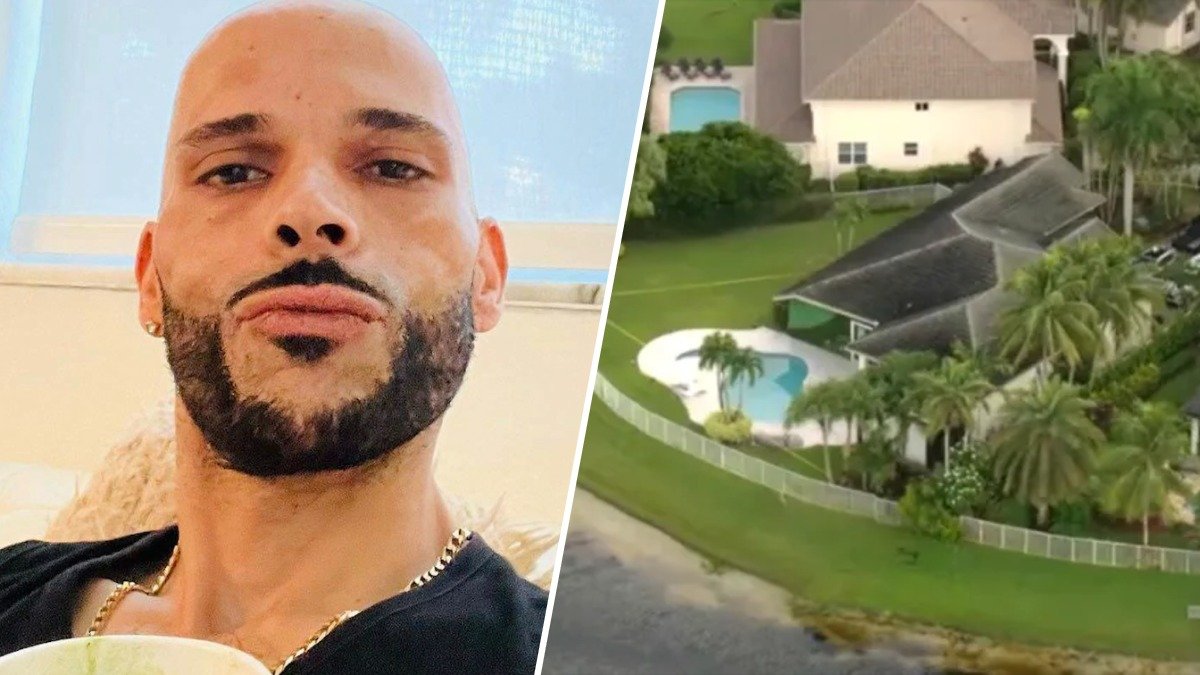
On October 16, Venezuelan musician Gus Ormo was found dead in the swimming pool of his Weston, Florida, home.
His body was reportedly face down in the water. A long cord was visible near the pool, and early emergency communications included a disturbing description of the scene.
“Atado.”
That's Spanish for “tied.”
One word, and suddenly the circumstances surrounding Ormo's death became a whole lot harder to explain.
Was he actually tied up? Was the rope attached to his body? Or did something at the scene lead emergency responders to describe it that way?
More than a month later, those questions remain at the center of a death investigation that's sparked some serious accusations online.
The rope that has everybody asking questions
According to CBS Miami, Ormo was discovered face down in his backyard pool near a long cord. Aerial news footage showed what appeared to be a rope extending toward the water.
The Miami Herald reported that emergency communications described the body as tied up, a detail later picked up by Spanish-language outlets including Univision.
That raises an obvious question.
If Ormo was tied up, how did he end up that way?
There's a major detail still missing: authorities haven't publicly explained whether the rope was actually attached to Ormo, what it was attached to, or whether it had anything to do with his death.
And that uncertainty has left plenty of room for competing theories.
Under a Telemundo 51 Instagram report, commenter @ibanezyc wasn't buying the idea of suicide:
“En otra noticia, decia que el estaba atado , entonces No es sucidio.”
Translation: “Another news report said he was tied up, so it's not suicide.”
Another commenter, @maikaguevara, went further:
“Porque lo consiguió muerto con una soga en el cuello y estaba solo jamás va a pensar que lo mataron”
Translation: “Because he found him dead with a rope around his neck and was alone, he would never think someone killed him.”
That second comment makes an even more specific claim: a rope around Ormo's neck.
But where did that information come from? The commenter doesn't identify a source, and the available official reports don't establish that detail.
For now, the evidence behind those descriptions is one of the biggest missing pieces in this entire story.
Then his brother called 911
The next part of the mystery comes directly from the emergency call.
Ormo's brother was the person who reportedly discovered his body. In audio released through Spanish-language news coverage, he told the dispatcher:
“Y entonces ahorita vinimos, entramos y vi como que se suicidó y está en la piscina.”
Translation: “So we just came, went inside, and I saw that it looked like he killed himself, and he's in the pool.”
It was the brother's initial interpretation of what he had found.
But once that audio became public, people started questioning why suicide was mentioned before investigators had publicly determined what happened.
Commenter @dayvingdiaz wrote:
“El hermano habla muy sospechoso, aún no se sabe si fue suicidio y homicidio entonces por qué ya el dice que si hermano se suicidó????”
Translation: “The brother sounds very suspicious. We still don't know whether it was suicide or homicide, so why is he already saying his brother killed himself????”
Another commenter, @karmengonzalez.23, focused on his voice:
“El hermano habla muy tranquilo ni un momento se le quebró la voz”
Translation: “The brother speaks very calmly. Not once did his voice break.”
People were questioning both what he said and how he sounded.
Others thought the accusations were getting completely out of hand.
@bibi_kabche pushed back:
“¿Desde cuándo el tono de voz en una llamada determina la culpabilidad de alguien?”
Translation: “Since when does someone's tone of voice on a call determine their guilt?”
That's a fair challenge. A person's reaction to discovering a dead family member doesn't follow a script.
The call tells us what Ormo's brother believed he saw. It doesn't tell us whether that belief was correct.
And it still doesn't explain the rope.
What about the cameras?
Another possibility surfaced in the comments.
@maikaguevara wrote:
“Depresión que más ,solo en una casa tan grande ,debe tener cámaras por todos lados.”
Translation: “Depression, what else? Alone in such a big house. There must be cameras everywhere.”
The depression theory is speculation. But the second half raises something worth investigating.
Did Ormo's home have security cameras?
If there were cameras covering the backyard, pool, entrances or surrounding property, any available recordings could help establish a timeline.
Who was at the property? When was Ormo last seen alive? Was anyone else present before his body was discovered?
We don't know whether those cameras existed or whether investigators recovered any footage.
But with so many questions surrounding the physical scene, surveillance evidence could be far more useful than trying to judge someone's emotions from a phone call.
Fifteen days earlier, Gus Ormo was releasing music
The tragedy becomes even more striking when you look at what Ormo was doing before his death.
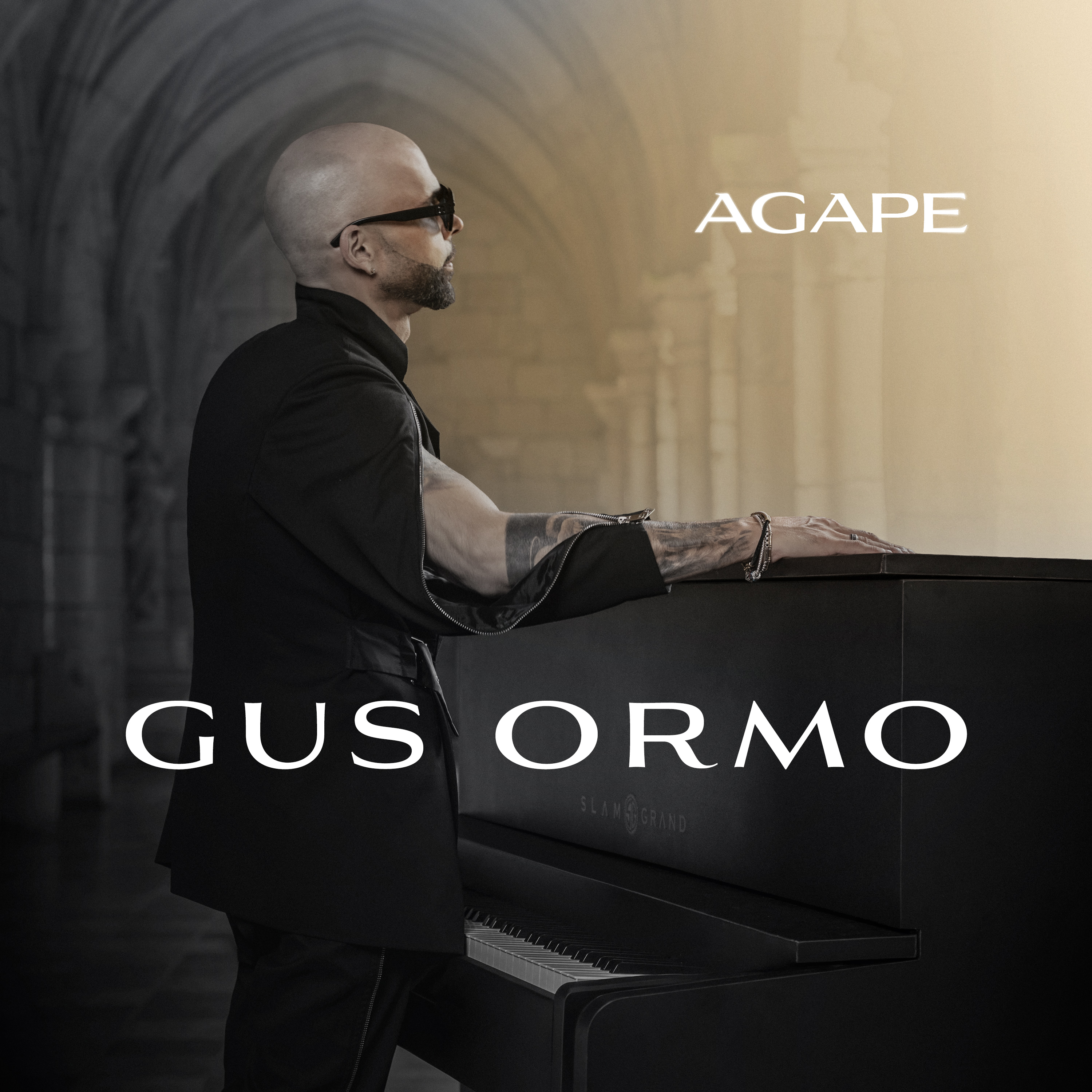
On October 1, the Venezuelan pianist and songwriter announced Ágape, a six-track instrumental project built around unconditional love.
The album featured accomplished musicians, including saxophonist Ed Calle. Ormo had spent years developing the project, allowing the piano to communicate emotions he previously expressed through his singing.
FVTV had already covered his music and the performances behind Ágape before his death.
He was actively creating, promoting his work and sharing his music.
Two weeks later, his family was confronting a tragedy, while strangers online were debating whether his death was suicide or something far more sinister.

Somebody has to explain the rope
The 911 recording is public. The early reports about the rope are public. So are the accusations filling Spanish-language comment sections.
What's missing is a clear account of the physical evidence.
Was Ormo restrained? Was the rope connected to his body? What did the medical examiner determine? Were there security recordings or other evidence showing what happened before he entered the pool?
FVTV has requested information from the Broward Sheriff's Office and the county Medical Examiner, and has contacted musicians who worked with Ormo for additional perspective on his life.
There's plenty of speculation already.
But the question that started it all hasn't gone anywhere: What was that rope doing in Gus Ormo's pool?