Artist profile ·
WHO IS 88 KILLA? THE FORT WORTH RAPPER WHO TOOK HIS NAME TO THE BODY SHOP.
Fort Worth roots, the Brain Gang years, a London label run and a brand-new name. 88 Killa’s rebrand gave his Texas-meets-California sound room to stretch its legs.
88 Killa knows a rapper can outgrow the name that first put him on.
Before the mink coats, the 81G Records imprint and the solo catalog, the Fort Worth lyricist went by Killa M.C. and ran with Brain Gang, the late-2000s Dallas collective whose members called what they did punk rap. Those years put real reps on him. They also built a ceiling over his head, and the next version of his career needed a sharper identity to bust through it.
Going from Killa M.C. to 88 Killa turned out to be way more than a spelling change. The switch reshuffled the music, the look and the way he carried himself in front of listeners. In a 2021 AllHipHop interview he kept it simple: the rebrand brought new traction.
Five years on, that lesson still holds weight. A reinvention only works when the artist knows what has to stay recognizable under the fresh paint.
Fort Worth sits in the driver’s seat
His official biography and Fort Worth music coverage plant 88 Killa deep in the Dallas–Fort Worth scene, and the Texas in his catalog runs deeper than a marketing tag. The region shows up in the attitude, the pacing and the local detail riding shotgun with the music.
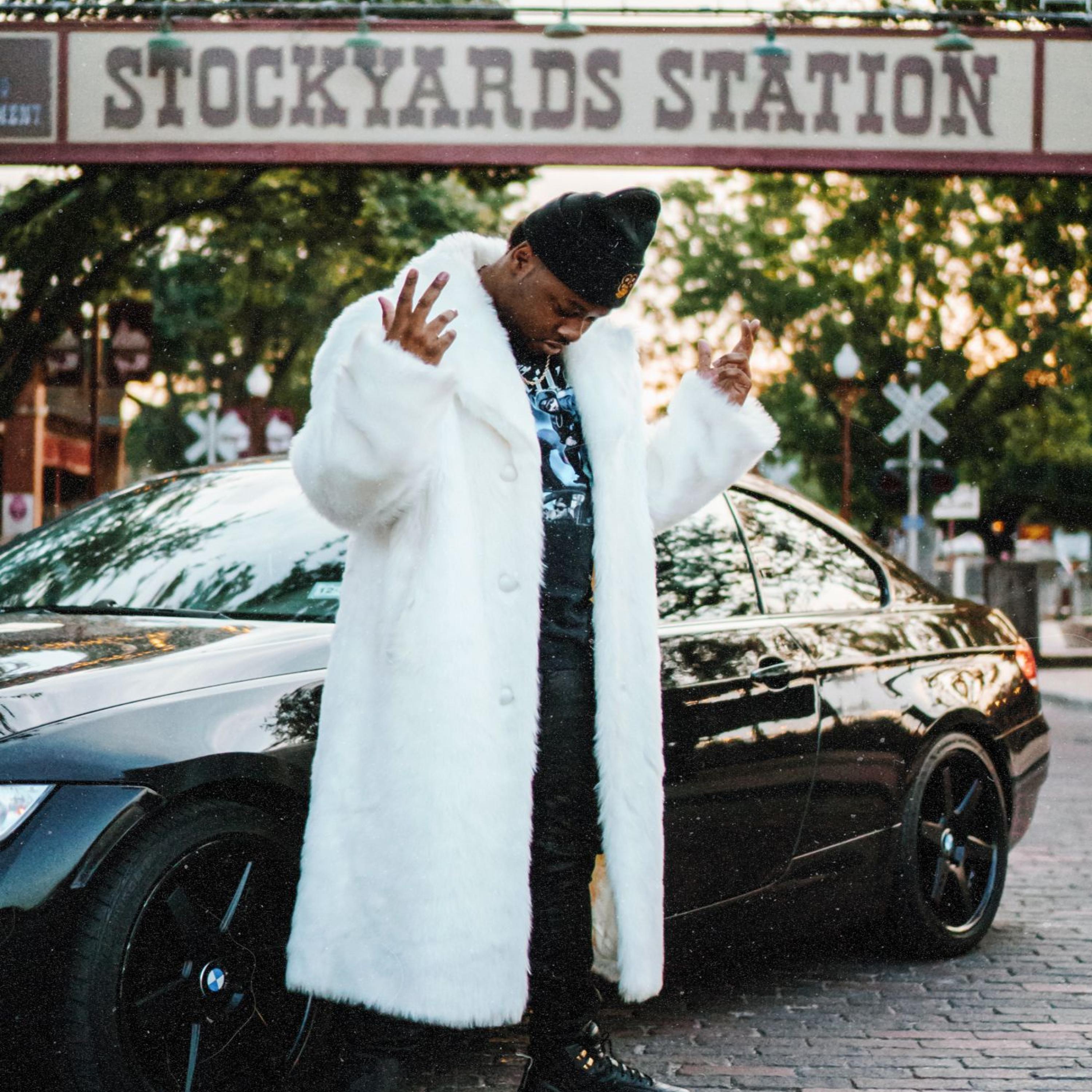
Fort Worth Weekly singled out “Stockyard Swangin’” as one of the cuts that put his hometown focus on full display on 2021’s 88 Special. The title alone stamps a city ID on the record, and nobody’s mistaking it for generic Southern rap.
That specificity pays off. The strongest regional artists hand listeners a door into the work, and 88 Killa’s Fort Worth comes with cruising music, polished style and enough swing to keep the bars from going stiff.
Eyes on the West Coast, plates still say Texas
In that AllHipHop interview, 88 Killa said the goal was fusing a “modern-day Texas sound” with elements tied to DJ Quik and California rap. On wax, it makes sense. Texas presence and West Coast bounce can share a record without either side falling into a knockoff.
That balance is one of the clearest things separating him from the pack. Lyricism holds the whole thing up, and the presentation leaves room for smooth production, car-ready rhythm and humor. He takes the pen seriously and still brings his personality into the booth.
The mink-coat imagery around “Mink Coat Melody” nails the approach. Style becomes part of the sound: confident, a little extra and in on the joke, without ever treating the music like one.
From Brain Gang to 88 BPM to running his own shop
The story didn’t start under the 88 Killa name. Fort Worth Weekly and his official site both trace him back to Brain Gang and the earlier Killa M.C. era.
In 2016 he dropped the 88 BPM EP through London label DEFDISCO, and his official biography says he later pushed forward under his own 81G Records imprint. Lay it out in order and the rebrand reads heavier. He went from a crew to an outside label to a solo operation where he holds the keys.
88 Special landed in 2021 as his first full-length album. It gave the new identity a complete body of work and locked in the cruising, Texas-rooted lane that local coverage picked up on.
What actually changed under the hood
Plenty of artists say rebrand when all they mean is a new logo. With 88 Killa, the name, the wardrobe, the sound and the public story all moved together.
The 88 carries a few personal references. In the 2021 interview he connected it to his birth year, to the jersey number of Dallas Cowboys receiver Michael Irvin and to the Killa name’s link to Cam’ron. The whole thing feels engineered, but every part came off his own lot.
That’s why the switch stuck. A good rebrand boils an artist down to the strongest version of himself, and 88 Killa landed on a name big enough to hold where he came from plus the smoother lane he wanted to explore.
Where to hop in
Start with 88 Special for the cleanest full-project intro. “Stockyard Swangin’” sets up the hometown frame, and “Mink Coat Melody” shows how easy image and sound ride together in his catalog.
Then run it back to 88 BPM to hear the early solo shift, and fast-forward to What You Thought? and the later singles to clock how the presentation grew after the first album.
88 Killa’s value doesn’t hang on one viral record or a blown-up breakthrough story. He stands for a different kind of independent career, built on regional memory and deliberate reinvention, with enough self-knowledge to switch lanes without erasing the road behind him.