Music video review ·
SEMAJII SHOT “HOTICE, PT. 2” LIKE A TAPE YOU FOUND IN THE BACK OF THE CLOSET.
The official video uses rough camcorder texture, city performance footage and collage edits to build an early-digital world that feels dug up out of somebody’s memory.
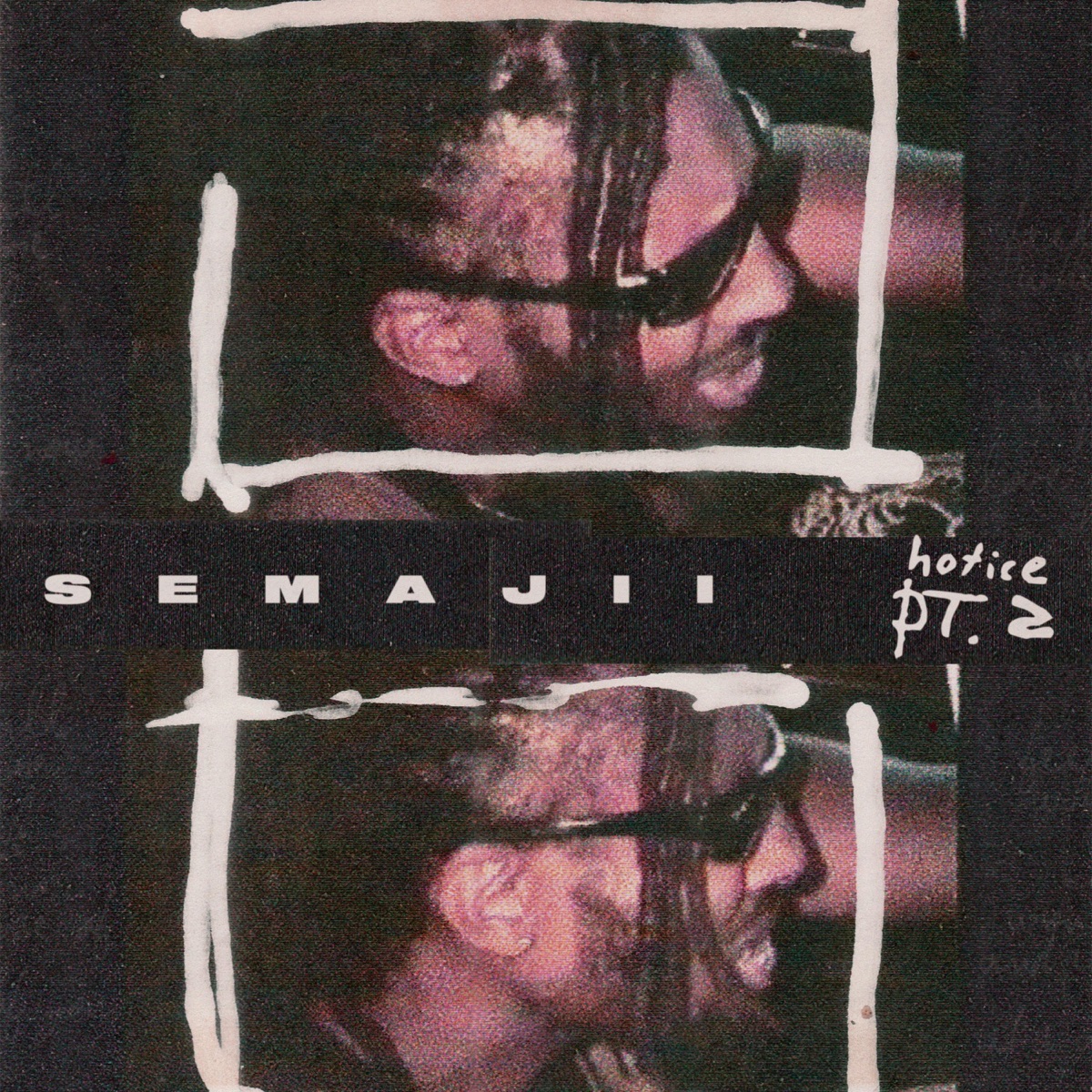
Semajii’s “HOTICE, Pt. 2” has zero interest in cleaning up the past.
The official video leans into the flaws that made early-digital R&B imagery stick: blown-out highlights, rough camcorder framing, city backdrops, doubled exposures and color that bends away from reality. There’s no retro filter slapped on polished footage here. The video commits to the texture of something recorded, copied and rediscovered years later.
Fragments from the same memory
That commitment gives the 2:21 visual its identity. Outdoor performance shots and car interiors keep the world grounded, while portraits, analog-looking overlays and collage-style split frames break up any sense of a clean timeline. The images play like fragments pulled from one memory.
Semajii describes the release through a Y2K-era neo-soul influence, and the reference works because it gets used as a visual language. The woman framed like an old camcorder portrait, the city footage and the doubled images bring intimacy without asking you to believe the video was literally shot two decades ago.
Close, rough and unfinished on purpose
The roughness also creates tension. Neo-soul presentation usually comes with warmth, control and carefully composed intimacy. “HOTICE, Pt. 2” keeps the closeness and lets the frame warp around it, so it feels personal and never pristine.
A nostalgia concept can go flat fast when every reference is too obvious. Semajii dodges that by letting the imperfections do the work. The video moves like a memory from the early 2000s: softened, damaged and still vivid in the right places.