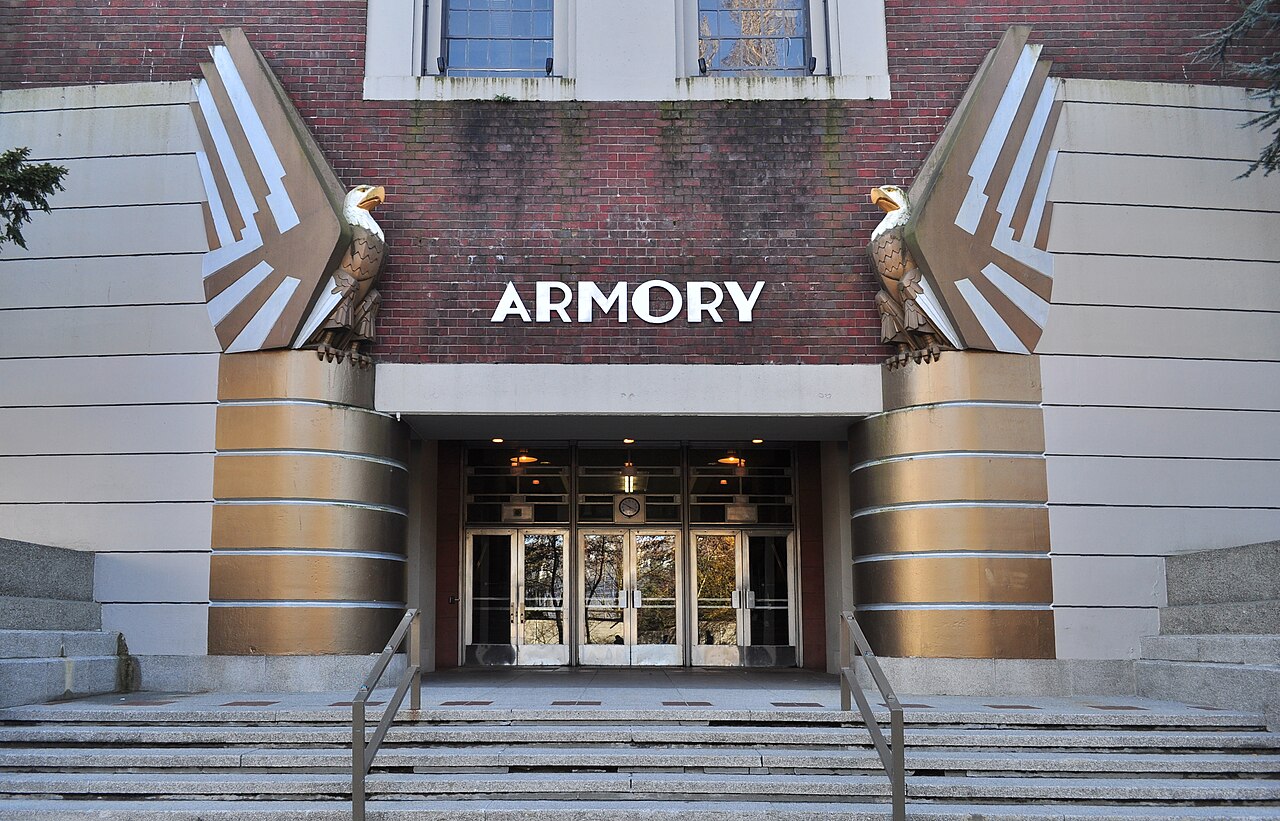
Three people were killed at July’s Bite of Seattle festival. The gunfire continued elsewhere in the city, but the scale was bigger than the two murders that dominated this week’s headlines. FVTV compared Seattle Police Department incident bulletins from August through October, including reports outside the department’s dedicated homicide archive. The documented minimum is eight fatal shooting incidents since July 26, involving nine people who died of gunshot wounds. Those nine deaths cannot responsibly be labeled nine murders: one was later reported as a suicide.
The latest victims worked ordinary jobs. On October 11, a 36-year-old nightclub security guard was shot dead in the 5800 block of 4th Avenue South when a shooter fired from a vehicle, police said. A 27-year-old woman was wounded in the leg, and police later located the suspected vehicle burning nearby. On October 13, police said a gas-station clerk was fatally shot inside a store in the 300 block of Broad Street near Belltown. No published evidence examined by FVTV connects those two killings to each other or to the July festival shooting.
What follows is a dated case-by-case review, not an official count of adjudicated murders or proof of a statistical crime increase. We separate fatal shootings from suicide, other suspicious deaths, police-involved deaths and nonfatal incidents. Each case has a police report or an identified public source.
After July 26: eight more fatal shooting incidents
August 10 — High Point (one dead): A 28-year-old man was shot in the chest in the 3100 block of Southwest Graham Street, police said. A friend drove him to the industrial area, where officers found him. He died at Harborview. The SPD Homicide Unit took the case. The report appeared under the agency’s Investigations category, but not its dedicated 2026 homicide archive. Read the original SPD bulletin.
August 18 — First Hill (one dead): Officers responding to a First Hill apartment in the 900 block of 8th Avenue found a man with suspected gunshot wounds. Medics pronounced him dead; homicide detectives were assigned. SPD report.
September 6, just after 12:40 a.m. — Third Avenue and Clay Street (one dead, three wounded): A 20-year-old man died after a confrontation associated with a street takeover. Three other people suffered gunshot wounds. SPD’s September 23 update says the fighting involved a legally possessed handgun that discharged repeatedly; detectives planned to send the case for prosecutorial review. Those findings do not establish a murder conviction or even a filed charge. SPD’s updated account.
September 6, before 2 a.m. — Third Avenue and Blanchard Street (one dead): In a different shooting the same morning, a 23-year-old woman was fatally wounded inside a parked vehicle. Police arrested a 44-year-old man on September 14 and booked him for investigation of murder. That is an arrest, not a conviction. SPD arrest and incident report.
September 6, shortly before midnight — Bell Street/Pier 66 pedestrian bridge (one dead, one wounded): A 17-year-old boy was killed and a 21-year-old man was seriously injured near Elliott Avenue and Bell Street. Police said an altercation preceded the shooting and opened a public evidence portal on September 11. At the time of that update, no suspect was in custody. This case is separate from the two early-morning September 6 shootings. SPD bulletin and evidence update.
September 19 — Rainier Valley (two shooting deaths, but not two murders): A man and woman were found shot inside a crashed vehicle near Martin Luther King Jr. Way South and South Graham Street. Both died. SPD initially described two deaths under homicide investigation and said it was not looking for an outstanding suspect. Subsequent reporting citing King County Medical Examiner findings identified the woman’s death as homicide and the man’s death as suicide. This is one fatal incident with two gunshot deaths, not proof of a double murder. SPD original report · Report citing medical examiner classification.
October 11 — South Seattle nightclub (one dead, one wounded): A vehicle occupant fired into a nightclub parking lot, killing a security worker and injuring a woman. SPD reported finding the suspected vehicle on fire a short time afterward. SPD report.
October 13 — Belltown gas station (one dead): A clerk was shot dead at work in the 300 block of Broad Street shortly before 6 a.m. Police were investigating the shooter and motive at the publication cutoff. SPD report.
A separate death in Westlake Park, and cases we are not adding to the shooting tally
September 10 — Westlake Park (one dead after a fight): SPD found a 67-year-old man without a pulse after witnesses reported a fight. Officers detained a 39-year-old man; homicide detectives and crime-scene investigators responded. The police bulletin did not establish a medical examiner’s final cause or manner of death. This case is separate from the eight fatal shootings listed above. SPD report.
Other categories require their own investigations. On August 5, detectives opened a suspicious-death investigation after possible human remains were found near a trail east of Interstate 5. The initial release did not establish homicide; it is not counted here. A separate September 12 officer-involved death in south Seattle is under independent investigation, according to SPD and the King County Prosecuting Attorney’s Office. It is not silently folded into the civilian shooting-homicide figures. August 5 case · September 12 independent investigation.
Method: The eight shooting incidents above produced nine reported gunshot deaths (including the later-reported suicide). The additional Westlake Park death is not included in either number. Neither number is Seattle’s certified murder count. The case list is a documented floor from police bulletins, not a complete medical-examiner audit or proof the citywide homicide rate has risen. SPD’s open crime dataset is provisional: records can enter after approval, and classifications can change. SPD data methodology · King County explanation of homicide vs. suicide.
July’s mass shooting is still part of the story
Three people died and four others were wounded in gunfire outside the Armory at Seattle Center during Bite of Seattle. Initial public communication from city leaders lagged hours behind the first emergency calls. Questions followed about who was in charge, why the briefing took so long and how future incidents would be handled.
On September 16, the Seattle Police Department publicly released internal text messages between senior officials. The following day, Mayor Katie Wilson and Interim Chief Andre Sayles said communications from the mayor's office and police had been released, acknowledged a need for faster coordination and described changes to internal protocols. The mayor had also requested an independent Inspector General review of the city's public-information response. Those releases constitute real disclosure; they do not supply every security contract, spending record, dispatch log or after-action review FVTV requested.
For the first phase of this investigation, see FVTV's September 4 report on the five-hour communication gap. This new report picks up with the documented records trail and the killings that have followed.
FVTV asked for the safety record. Here is what the agencies actually said.
FVTV submitted public-records requests on August 17 and 18 covering Seattle Center security contracts and staffing, security and emergency-planning expenditures, police dispatch and response data, and formal after-action reviews. The correspondence is dated, assigned request numbers and, in several cases, accompanied by agency replies.
Seattle Center, request C279054-081826: The city acknowledged FVTV's request for private-security contracts, invoices, spending documentation and reviews. Its August 24 response said responsive records or a first installment, if any, would be provided October 16. As of this October 13 reporting cutoff, FVTV has located no responsive installment delivered in that request thread. October 16 has not yet passed.
Seattle Police, request P279095-081826: On August 20, SPD said it had asked a 911 communications analyst for a Seattle Center calls-for-service list. It directed FVTV to already-public dispatch-data dashboards and scheduled its next installment for December 18. A dashboard link is useful, but it is not the department-specific records delivery or formal review FVTV sought.
Seattle Fire: Its public disclosure officer directed FVTV to refile the emergency-response data request through the city's public-records portal, selecting Fire–General. FVTV has not established a completed Fire portal submission or produced records from that request. That step remains open.
City Budget Office: This agency said it held no responsive department-level spending records and closed FVTV's request, pointing instead to Seattle Center's published budget and capital-improvement materials. That does not establish whether Seattle Center itself has responsive contracts or spending records.
A pending record is not proof that an agency has concealed information or broken the law. It is proof that the reporter and the public cannot yet examine that record. These distinctions matter because the city has already published some communications about the July response, and because requests to different departments follow different schedules.
What the investigations do, and do not, establish
The September 6 Blanchard Street case produced an arrest. The September 10 Westlake Park case produced a detention. SPD’s detailed Clay Street reconstruction placed a gunshot death in the context of an altercation and a case forwarded for review. The Rainier Valley incident later drew a reported homicide-suicide determination. Treating every case as unsolved, and every person who died of gunfire as a murder victim, would erase those distinctions.
But arrests and individual findings do not resolve the larger public question: what do the city’s response, records and prevention strategies actually show, across neighborhoods and over time? These incidents do not prove that July’s festival shooting caused later violence or that Seattle’s homicide rate rose. An accurate trend claim requires comparable verified citywide data and consistent definitions.
What accountability would look like on paper
Accountability has at least two tracks: investigators working individual murders, and the city documenting how its safety systems performed. A homicide detective may have good reasons to withhold active investigative material. Security contracts, high-level staffing expenditures, redacted incident-response logs, public-alert timelines and completed operational reviews raise different disclosure questions.
FVTV will track whether Seattle Center produces the promised October 16 installment, whether SPD's December 18 response includes usable calls-for-service data or after-action material, whether Seattle Fire's separate filing is completed and when the Inspector General's independent review becomes public.
We are also seeking an intelligible cross-department answer to the basic questions: Who decided the public needed an alert on July 26? What went out, when and to whom? What has changed at large events since? And which documented steps can be audited rather than simply announced?
Seattle's residents are not served by treating every fresh killing as one more isolated headline, then starting the public conversation over. The people in the nightclub and the gas station had separate lives and separate circumstances. Their deaths, alongside the unfinished July accountability record, are reasons to stay on this beat.
Reporting cutoff: October 13, 2026, Pacific time. Arrests, released documents and findings may change after publication.
Sources and earlier FVTV reporting
SPD: August 10 High Point fatal shooting
SPD: August 18 First Hill fatal shooting
SPD: September 7 bulletin, September 6 Bell Street/Pier 66 killing
SPD: September 10 death following Westlake Park fight
SPD: September 19 Rainier Valley shooting deaths
Report citing medical examiner ruling in September 19 murder-suicide
SPD: August 5 suspicious death, classification unconfirmed
SPD: September 12 officer-involved death under independent review
SPD: public NIBRS crime dataset and approval caveats
King County medical examiner's definitions and reporting limits
SPD: October 13 fatal shooting near Belltown
SPD: October 11 nightclub-area shooting
SPD: September 23 update on September 6 Clay Street shooting
SPD: September 14 arrest in separate September 6 Belltown killing
SPD: September 16 release of department communications on Bite of Seattle
Mayor and interim chief: September 17 communications statement
Mayor's August 11 Inspector General review request
FVTV original primary reporting: August 17–25 Seattle Center, Seattle Police, Seattle Fire and City Budget Office request-and-response correspondence; case numbers C279054-081826 and P279095-081826, retained in FVTV newsroom source records.