FVTV original music feature ·
LORD ROKA TURNS CENTRAL AVENUE MEMORY INTO “SOUNDS FROM THE AVE.”
The Los Angeles artist's chill hip-hop record reaches back to the musical memory of Central Avenue, with a personal story behind its title.
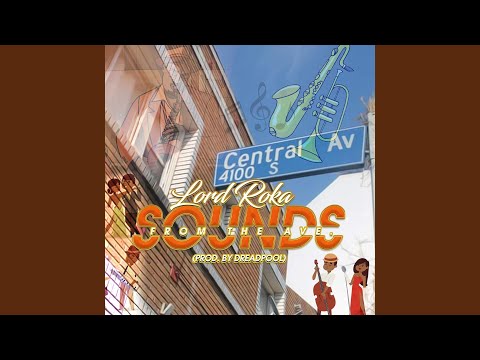
Lord Roka’s “Sounds from the Ave” arrived at FVTV through Groover in a laid-back lane, tagged as chill/lo-fi hip-hop and Christian rap. The music works as an easy late-night listen, but the story behind the record gives it a more specific center.
The Central Avenue connection
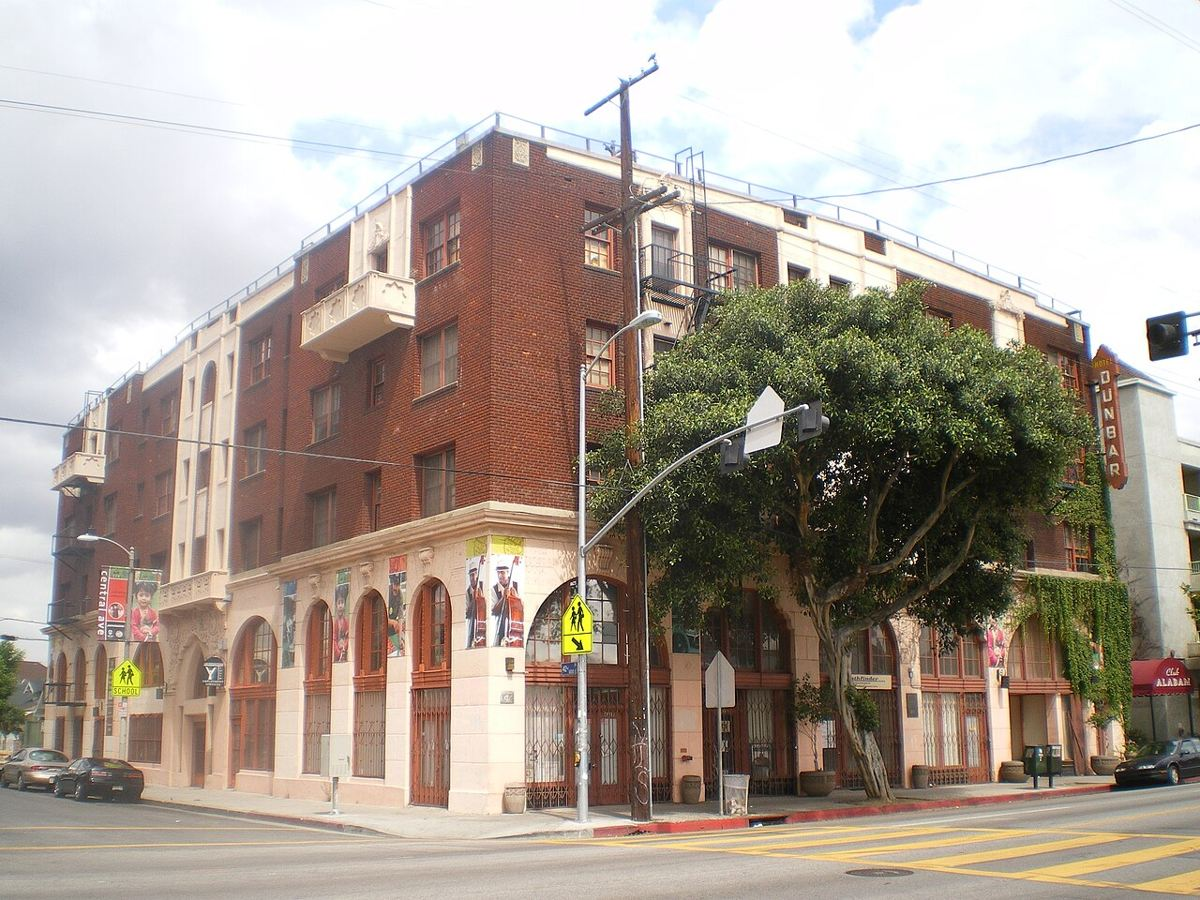
In an October 9 email to FVTV, Danny Flores described the track as a tribute to the historic jazz scene of Central Avenue in Los Angeles. Flores said Lord Roka grew up on Central Avenue and built the record from a personal connection to the neighborhood, combining his own experience with the stories and musical history attached to the avenue.
That context changes the way the record lands. “Sounds from the Ave” is not just leaning on a relaxed jazz-inflected mood. The project is framed as an attempt to preserve a piece of place and memory through hip-hop.

Where the history meets the record
The record was originally released in 2020, but its focus is older than the streaming era. Central Avenue carries deep significance in Los Angeles Black music history, and Lord Roka’s submission positions the song as a present-day reflection on that legacy rather than a generic nostalgia piece.
The missing story behind the title
FVTV’s initial Groover review noted that the record fits an underserved chill Christian hip-hop lane but lacked the backstory needed to distinguish it from other playlist-friendly submissions. The new context fills that gap. The avenue in the title is not abstract. It is the neighborhood Lord Roka is connecting back to.
Hear the record and the artist
“Sounds from the Ave” is available on Spotify and YouTube. Lord Roka is also booked for an FVTV interview on October 14 at 3 PM Pacific to talk further about the record and the Central Avenue connection. The full conversation will be added to this article after it has been recorded.